MSFS
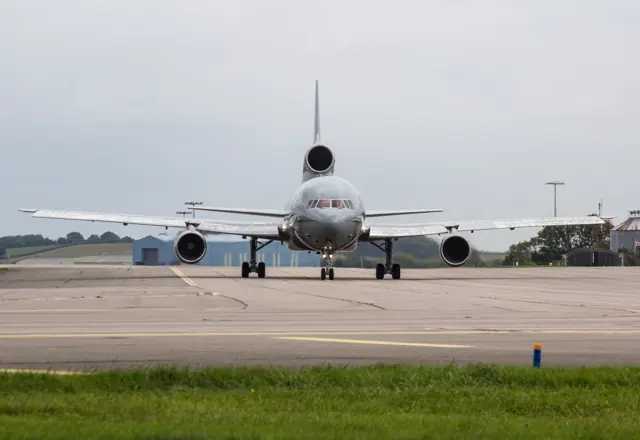
Lockheed L-1011 TriStar ↗
Lockheed's wide-body TriStar, with three RB211 engines and a distinctive tail intake.
1 implementations+ Compare
Explore the aircraft. Find your simulator. Follow the sources.
Lockheed's wide-body TriStar, with three RB211 engines and a distinctive tail intake.
A short-field Savage with leading-edge slats and a distinct Got Friends simulator implementation.
A single-seat competition sailplane offered in Standard and 18-metre configurations.
A British utility twin built around short regional and practical transport work.
A retractable-gear touring single with an all-metal airframe and a long-lived enthusiast following.
A very large single-engine biplane designed for practical work from modest airfields.
A composite touring single with a whole-aircraft parachute and several generations of avionics.
A four-abreast regional-jet family spanning the E170, E175, E190 and E195.
The Stationair utility family, combining a high wing with fixed landing gear.
Regional flying built around a high wing, two turboprops and short sectors.
A twin-aisle Boeing designed alongside the 757's generation of two-pilot flight decks.
A two-seat Tecnam high-wing aircraft combining composite and metal construction.
A compact twin-engine helicopter widely used for medical, police and training work.
The second-generation Harrier, designed around vectored thrust and short-field operation.
A radial-engine trainer that also served in combat and civilian warbird roles.
An enlarged Velocity kit aircraft with a canard and rear-mounted pusher propeller.
A box-shaped utility twin whose cabin and rear access are central to its design.
A composite, low-wing touring single with fixed gear and a turbocharged engine.
Tecnam's two-seat, low-wing Sierra, introduced in the early 2000s.
A purpose-built aerobatic monoplane family developed by pilot and designer Walter Extra.
A modern medium twin-engine helicopter developed as a successor to the Dauphin line.
A four-engine military turboprop designed to combine tactical access with long-distance transport.
A stretched development of the DC-9 with rear-mounted engines and a five-abreast cabin.
This is AirframeDB’s first release. More features and aircraft research are planned. Leave your email if you’d like occasional updates.




































