MSFS
Draco X ↗
The Wilga is the real-aircraft starting point for Mike Patey's DRACO and the simulator's DRACO X.
1 implementations+ Compare
Explore the aircraft. Find your simulator. Follow the sources.
The Wilga is the real-aircraft starting point for Mike Patey's DRACO and the simulator's DRACO X.
A low-wing piston family that spans simple trainers, touring aircraft and retractable-gear Arrows.
A large twin-radial transport that carried heavy loads through wartime and post-war freight service.
Ted Smith's piston twin, later produced by Piper as the Aerostar.
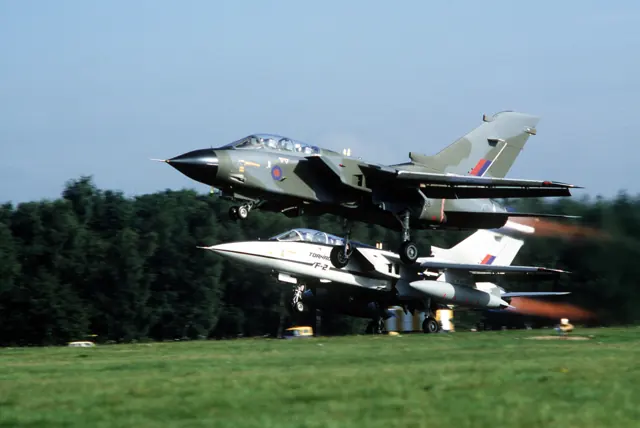
A European variable-sweep combat-aircraft family with distinct strike and interceptor versions.
A tandem two-seat sailplane designed for instruction and broader soaring use.
A compact twin-engine helicopter widely used for medical, police and training work.
A light turbine helicopter combining an Alouette II airframe with more powerful Alouette III components.
A twin-radial airliner that helped make practical passenger transport a regular business.
A twin-turboprop regional airliner developed through Swedish and American industrial cooperation.
A pressurised touring twin whose piston and turbine-conversion versions make a particularly interesting comparison.
Cessna's unusual piston-powered helicopter, marketed as the Skyhook.
A twin-hull flying boat with its engines mounted together above the wing.
A tandem-seat homebuilt jet with composite construction and retractable landing gear.
A turbine-powered utility helicopter with a broad cabin and a long international service history.
A wide-cabin business-jet family that developed from Canadair's original Challenger programme.
A large long-haul twin that introduced Boeing's first commercial fly-by-wire airliner flight controls.
A 1920s transport family that developed from a single-engine airliner into a trimotor.
The four-engine Flying Fortress, a major American bomber of the Second World War.
A DC-10-derived tanker that combined aerial refuelling with passenger and cargo transport.
The CJ4 belongs to Cessna's light-jet line, with two rear-mounted engines and a T-tail.
A single-seat aerobatic monoplane that also became a familiar air-racing aircraft.
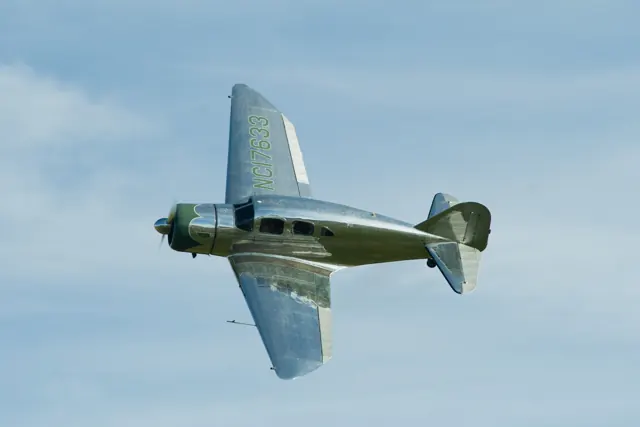
A late-1930s cabin aircraft with metal construction and retractable landing gear.
A modern two-seat piston helicopter designed around the training role.
This is AirframeDB’s first release. More features and aircraft research are planned. Leave your email if you’d like occasional updates.