X-Plane
McDonnell Douglas MD-80 / MD-82 ↗
A stretched development of the DC-9 with rear-mounted engines and a five-abreast cabin.
3 implementations+ Compare
Explore the aircraft. Find your simulator. Follow the sources.
A stretched development of the DC-9 with rear-mounted engines and a five-abreast cabin.
A tandem two-seat sailplane designed for instruction and broader soaring use.
A fixed-wing observation aircraft with a helicopter-like view from its glazed nose.
A low-wing piston twin that carries the Beechcraft touring-aircraft lineage into two-engine flying.
A high-wing twin turboprop developed for regional freight and passenger transport.
An open-cockpit biplane trainer that found a second life in civilian flying.
A large twin-radial transport that carried heavy loads through wartime and post-war freight service.
A regional jet family with four small engines, a high wing and a large split tail airbrake.
A compact two-seat light aircraft with a high wing and a wide range of development variants.
SOCATA's touring-aircraft family, including the Tobago and Trinidad.
A corrugated-metal, three-engine transport from the formative years of airline travel.
A compact Italian light twin with a shoulder wing and metal airframe.
A low-wing agricultural Cessna with a cockpit and hopper arranged around the job.
Piper's two-seat trainer with fixed tricycle landing gear.
A four-engine airliner that brought pressurised-cabin travel into scheduled service.
An amphibious turboprop designed around scooping water and delivering it to fires.
The purpose-built Ryan monoplane used by Charles Lindbergh for his 1927 solo Atlantic crossing.
A British utility twin built around short regional and practical transport work.
A twin-radial military transport with a rear ramp and short-field design priorities.
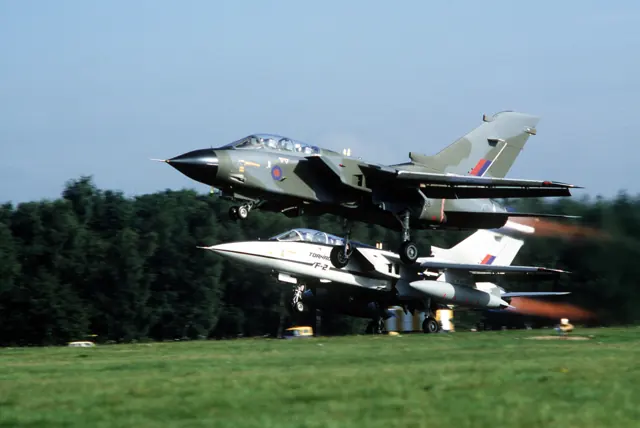
A European variable-sweep combat-aircraft family with distinct strike and interceptor versions.
A rear-engined trijet built to bring jet service to shorter routes and smaller airports.
A personal jet with one engine above the rear fuselage and a distinctive V-tail.
A shorter wide-body Airbus from the transition to two-pilot, electronic-instrument cockpits.
A Canadian tandem-seat trainer developed after the Second World War.
This is AirframeDB’s first release. More features and aircraft research are planned. Leave your email if you’d like occasional updates.