MSFS
Heart Aerospace ES-30 ↗
A hybrid-electric regional-airliner concept represented in the simulator while the real programme develops.
1 implementations+ Compare
Explore the aircraft. Find your simulator. Follow the sources.
A hybrid-electric regional-airliner concept represented in the simulator while the real programme develops.
A pioneering light helicopter whose bubble cabin and exposed structure became widely recognisable.
RotorWay's two-seat kit-helicopter family, with piston and turbine simulator interpretations.
Mooney's four-seat piston family, developed through many touring-aircraft variants.
Piper's two-seat trainer with fixed tricycle landing gear.
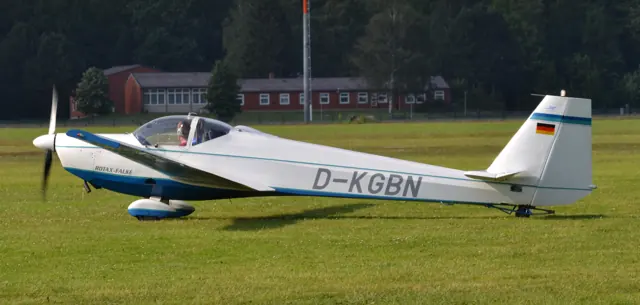
A side-by-side touring motorglider used for both powered flying and soaring.
An unpowered military cargo glider designed to deliver troops and equipment behind a tow aircraft.
A carrier-capable multirole fighter, larger than the earlier Hornet from which it developed.
A super-midsize business jet with a swept wing, rear-mounted engines and an integrated glass cockpit.
A tandem-seat jet trainer that also found a second life in civilian display and racing.
A twin-aisle Boeing designed alongside the 757's generation of two-pilot flight decks.
A Belgian light helicopter with two seats arranged side by side.
A 1920s flying boat with two engines arranged in tandem above the wing.
A five-seat turbine helicopter developed from Robinson's smaller piston-helicopter line.
A compact aerobatic biplane family with both single-seat and tandem-seat branches.
Japan’s postwar regional turboprop, with Rolls-Royce Dart power and a career spanning passenger, freight and specialist government flying.
A tandem two-seat sailplane family used for training and cross-country soaring.
A corrugated-metal, three-engine transport from the formative years of airline travel.
A modern medium twin-engine helicopter developed as a successor to the Dauphin line.
A streamlined twin-engine helicopter with a Fenestron tail rotor and retractable landing gear.
A simulated twin-turbine helicopter that explores no-tail-rotor anti-torque control.
A wooden touring-aircraft family recognisable by the upward-angled outer wing panels.
A post-war Businessliner with a radial engine, cabin transport ambitions and tailwheel gear.
A Swedish reconnaissance and dive-bombing aircraft from the early 1940s.
New aircraft, useful sources and improvements to AirframeDB. Occasional updates, when there’s something to share.