MSFS X-Plane
Bell 47 ↗
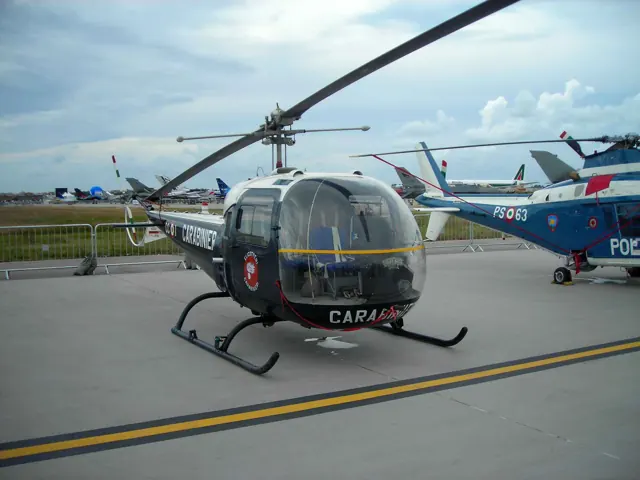
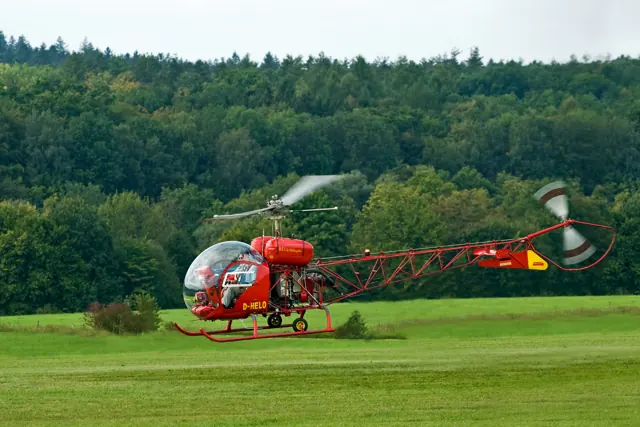
A pioneering light helicopter whose bubble cabin and exposed structure became widely recognisable.
2 implementations+ Compare
Explore the aircraft. Find your simulator. Follow the sources.
A pioneering light helicopter whose bubble cabin and exposed structure became widely recognisable.
A four-bladed utility helicopter developed from the LongRanger lineage.
A streamlined light twin helicopter, with the later Bell 230 in the same family.
A simulated twin-turbine helicopter that explores no-tail-rotor anti-torque control.
Hydraulically assisted cyclic controls with selected friction and trim behaviour, plus two-blade rotor cues.
A piston-powered light-helicopter family used for training, observation and utility work.
A small observation-helicopter family with a rounded cabin and compact rotor system.
A heavy-lift helicopter built around an open frame and an external working load.
A turbine-powered utility helicopter with a broad cabin and a long international service history.
A light helicopter family closely associated with flight training.
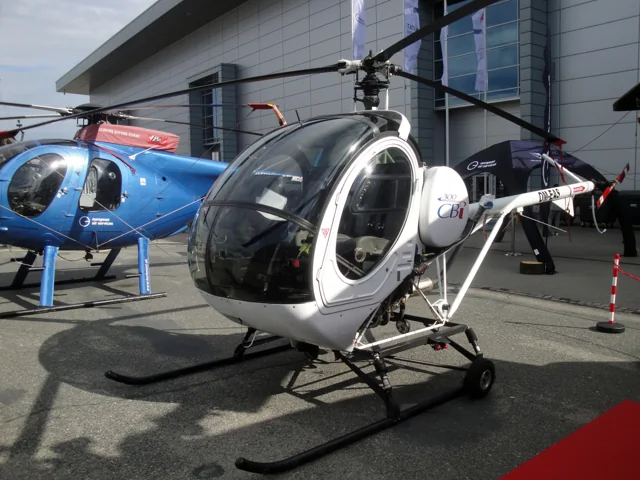
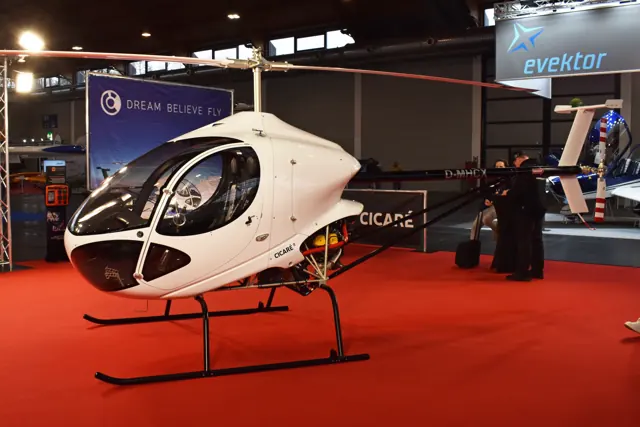
A light two-seat helicopter with a side-by-side cabin and a semi-rigid main rotor.
A large twin-engine helicopter from the Super Puma line, used for offshore and public-service work.
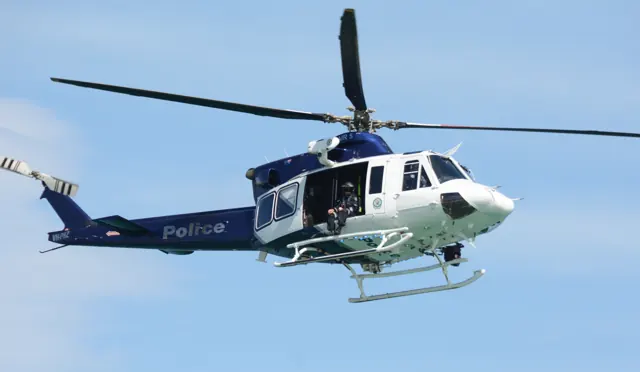
A twin-engine utility helicopter with roots in the BK 117 and EC145 families.
A modern medium twin-engine helicopter developed as a successor to the Dauphin line.
A single-seat helicopter originally developed as a homebuilt kit.
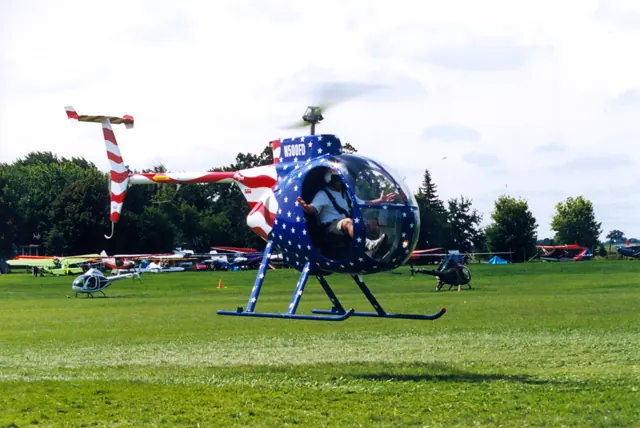
A single-seat helicopter with one engine and a conventional tail rotor.
A prototype autogyro with a tractor-mounted Rotec radial engine.
An enclosed-cabin development of the Bell 47, shaped for passenger and executive transport.
A twin-turbine Huey descendant with a four-blade main rotor.
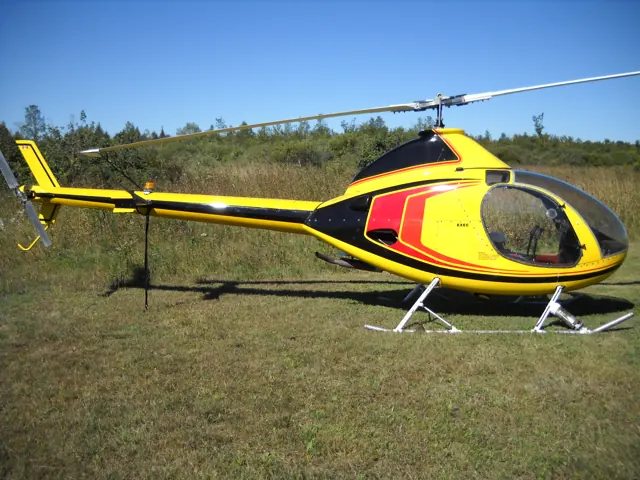
RotorWay's two-seat kit-helicopter family, with piston and turbine simulator interpretations.
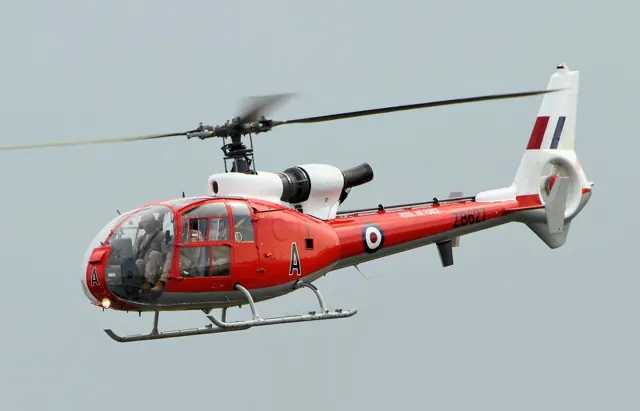
A light turbine helicopter whose land-based Scout and naval Wasp branches served different jobs.
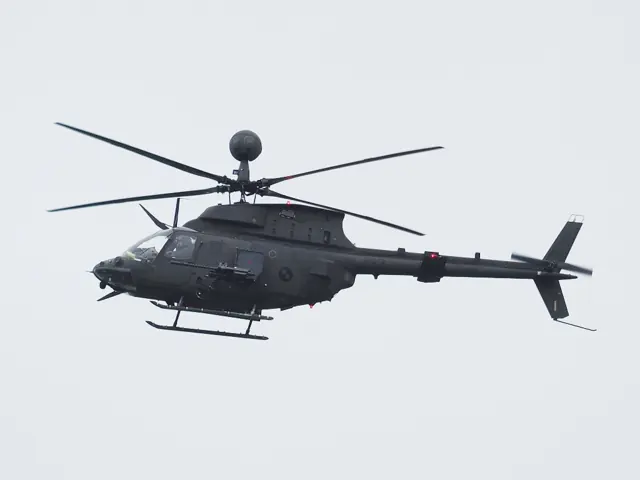
An Army scout helicopter developed into the sensor-equipped Kiowa Warrior.
A compact utility helicopter distinguished by its enclosed Fenestron tail rotor.
The twin-engine AW139 with a five-blade main rotor and retractable gear.
New aircraft, useful sources and improvements to AirframeDB. Occasional updates, when there’s something to share.