X-Plane
Lancair Legacy ↗
A two-seat composite kit aircraft developed from the Lancair 320.
1 implementations+ Compare
Explore the aircraft. Find your simulator. Follow the sources.
A two-seat composite kit aircraft developed from the Lancair 320.
A two-seat light amphibian with a compact boat hull and a pusher propeller.
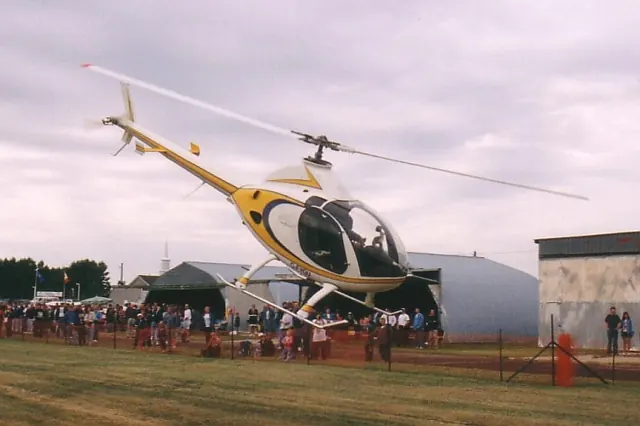
RotorWay's two-seat kit-helicopter family, with piston and turbine simulator interpretations.
A Brazilian light trainer with a high wing, tandem seats and a simple utility layout.
A carbon-fibre aerobatic monoplane family with a dedicated air-racing branch.
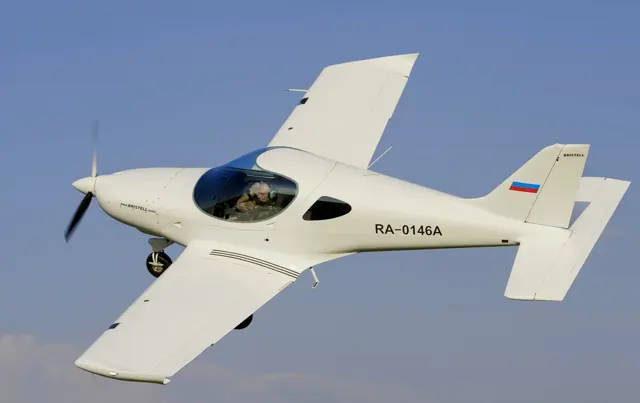
BRM Aero's two-seat B23, represented in MSFS by Airfoillabs.
A military liaison aircraft built around a high wing, tandem cabin and short-field utility work.
A very light twin jet developed from the Eclipse 500.
A long-range twin designed around a new wide-body airframe and extensive composite construction.
A streamlined twin-engine helicopter with a Fenestron tail rotor and retractable landing gear.
A pressurised single turboprop with a large cargo door and a broad range of working roles.
A utility piston twin designed for commuter and specialist transport missions.
Ted Smith's piston twin, later produced by Piper as the Aerostar.
A personal jet with one engine above the rear fuselage and a distinctive V-tail.
The Wilga is the real-aircraft starting point for Mike Patey's DRACO and the simulator's DRACO X.
A four-abreast regional-jet family spanning the E170, E175, E190 and E195.
A twin-turboprop regional airliner developed through Swedish and American industrial cooperation.
A twin-turboprop utility aircraft developed by Reims Aviation with Cessna.
A high-wing utility aircraft known for short-field work and a broad choice of working configurations.
The Model 525 CitationJet, the starting point of Cessna's CJ and M2 lineage.
Cessna's retractable-gear Centurion, a high-wing touring aircraft.
A Canadian tandem-seat trainer developed after the Second World War.
An open, single-seat ultralight with its propeller behind the pilot.
Tecnam's two-seat, low-wing Sierra, introduced in the early 2000s.
This is AirframeDB’s first release. More features and aircraft research are planned. Leave your email if you’d like occasional updates.