MSFS
JMB VL-3 Evolution ↗
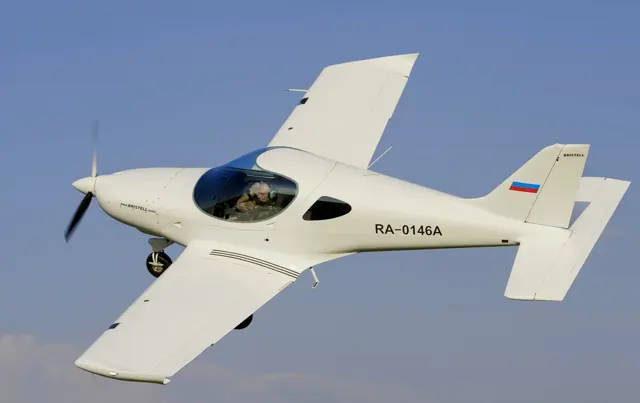
A compact Czech touring aircraft with side-by-side seats and a streamlined low-wing airframe.
2 implementations+ Compare
Explore the aircraft. Find your simulator. Follow the sources.
A compact Czech touring aircraft with side-by-side seats and a streamlined low-wing airframe.
A 1920s transport family that developed from a single-engine airliner into a trimotor.
A two-seat composite light-aircraft family with a high wing and a compact enclosed cabin.
A pressurised twin turboprop with a canard, composite airframe and rear-facing propellers.
A five-seat turbine helicopter developed from Robinson's smaller piston-helicopter line.
A long-haul twin whose family spans passenger, freight and specialist transport roles.
A stretched development of the DC-9 with rear-mounted engines and a five-abreast cabin.
A twin-engine business jet designed to retain some of the utility flexibility associated with the PC-12.
A pioneering all-metal transport with an enclosed passenger cabin and corrugated skin.
A heavy-lift helicopter built around an open frame and an external working load.
An enlarged Velocity kit aircraft with a canard and rear-mounted pusher propeller.
The Wilga is the real-aircraft starting point for Mike Patey's DRACO and the simulator's DRACO X.
A four-abreast regional-jet family spanning the E170, E175, E190 and E195.
A retractable-gear touring single with an all-metal airframe and a long-lived enthusiast following.
BRM Aero's two-seat B23, represented in MSFS by Airfoillabs.
An Italian light aircraft known for military training and aerobatic use.
A tailwheel utility single built around a high wing and a substantial working cabin.
A Swedish reconnaissance and dive-bombing aircraft from the early 1940s.
A long-range fighter whose different engine and canopy developments produced several distinct forms.
A high-wing utility turboprop designed for short-field passenger and cargo work.
A compact Italian light twin with a shoulder wing and metal airframe.
A super-midsize business jet with a swept wing, rear-mounted engines and an integrated glass cockpit.
The four-engine wide-body whose raised flight deck created one of aviation's most recognisable profiles.
The purpose-built Ryan monoplane used by Charles Lindbergh for his 1927 solo Atlantic crossing.
This is AirframeDB’s first release. More features and aircraft research are planned. Leave your email if you’d like occasional updates.