MSFS
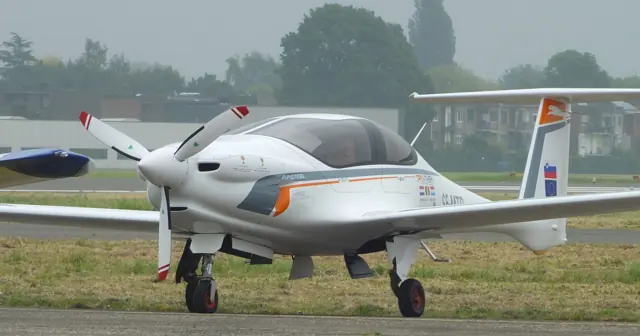
Stemme S12G ↗
A self-launching sailplane family with its engine inside the fuselage and a folding nose propeller.
1 implementations+ Compare
Explore the aircraft. Find your simulator. Follow the sources.
A self-launching sailplane family with its engine inside the fuselage and a folding nose propeller.
Epic's experimental light-jet project, represented in simulation by Aerobask.
A long-range fighter whose different engine and canopy developments produced several distinct forms.
A light tandem-seat taildragger built around the familiar braced high-wing layout.
A heavy-lift helicopter built around an open frame and an external working load.
A pressurised twin turboprop with a canard, composite airframe and rear-facing propellers.
A small two-seat piston helicopter with a two-bladed main rotor.
An open, single-seat ultralight with its propeller behind the pilot.
A lightweight pusher family with an enclosed cabin and a high, braced wing.
A turbine-powered utility helicopter with a broad cabin and a long international service history.
A short-field Savage with leading-edge slats and a distinct Got Friends simulator implementation.
A six-engine flying boat created for long-distance passenger travel over water.
A narrow-body twin developed as a new generation of medium-range airliner.
TorqueSim's Pocket Rocket, a simulated PT6-powered light aircraft with two gear layouts.
A specialised reconnaissance aircraft designed for very high altitude and sustained supersonic flight.
A compact utility helicopter distinguished by its enclosed Fenestron tail rotor.
A tandem two-seat sailplane designed for instruction and broader soaring use.
The Stationair utility family, combining a high wing with fixed landing gear.
The second-generation Harrier, designed around vectored thrust and short-field operation.
Pipistrel's streamlined four-seat composite-aircraft design.
A twin-radial airliner that helped make practical passenger transport a regular business.
A two-seat training single with a high wing and fixed tricycle landing gear.
A compact Czech touring aircraft with side-by-side seats and a streamlined low-wing airframe.
The purpose-built Ryan monoplane used by Charles Lindbergh for his 1927 solo Atlantic crossing.
This is AirframeDB’s first release. More features and aircraft research are planned. Leave your email if you’d like occasional updates.