X-Plane
PZL-104 Wilga ↗
A Polish utility aircraft designed for short takeoffs and landings.
1 implementations+ Compare
Explore the aircraft. Find your simulator. Follow the sources.
A Polish utility aircraft designed for short takeoffs and landings.
Lockheed's tandem-seat Shooting Star jet trainer.
A light tandem-seat taildragger built around the familiar braced high-wing layout.
A twin-radial military transport with a rear ramp and short-field design priorities.
Ted Smith's piston twin, later produced by Piper as the Aerostar.
A swept-wing business jet designed around high subsonic cruise speed.
The Wilga is the real-aircraft starting point for Mike Patey's DRACO and the simulator's DRACO X.
A four-seat, pressurised kit aircraft with a composite airframe and retractable landing gear.
A cabin biplane with the lower wing placed ahead of the upper one.
A six-engine heavy transport created for exceptionally large external and internal loads.
A box-shaped utility twin whose cabin and rear access are central to its design.
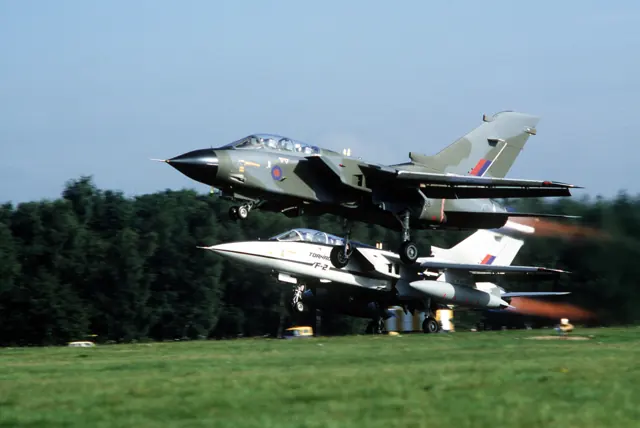
A European variable-sweep combat-aircraft family with distinct strike and interceptor versions.
Two related Dutch regional jets developed from the F28 lineage.
A pressurised four-engine piston transport from the last major generation before the jet airliner.
A composite touring single with a whole-aircraft parachute and several generations of avionics.
Tecnam's four-seat high-wing single, built with metal and carbon-fibre components.
A modern composite twin with a roomy cabin and two wing-mounted piston engines.
A Canadian tandem-seat trainer developed after the Second World War.
A utility-aircraft family whose stretched 207 branch trades compact proportions for more cabin space.
A four-engine airliner that brought pressurised-cabin travel into scheduled service.
A utility piston twin designed for commuter and specialist transport missions.
The H130 utility helicopter, descended from the AS350 and fitted with a Fenestron.
A six-seat composite single turboprop with a pressurised cabin and retractable gear.
A twin-turboprop family whose smaller conventional-tail and larger T-tail branches have distinct identities.
This is AirframeDB’s first release. More features and aircraft research are planned. Leave your email if you’d like occasional updates.