MSFS
Bell 407 ↗
A four-bladed utility helicopter developed from the LongRanger lineage.
2 implementations+ Compare
Explore the aircraft. Find your simulator. Follow the sources.
A four-bladed utility helicopter developed from the LongRanger lineage.
A high-wing utility turboprop designed for short-field passenger and cargo work.
Two related Dutch regional jets developed from the F28 lineage.
A corrugated-metal, three-engine transport from the formative years of airline travel.
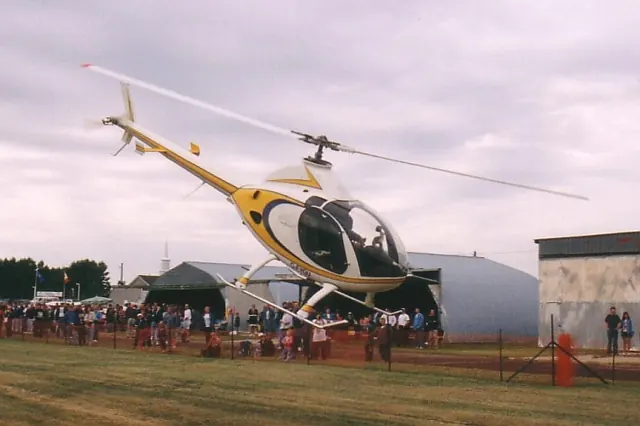
A pioneering light helicopter whose bubble cabin and exposed structure became widely recognisable.
A four-seat, pressurised kit aircraft with a composite airframe and retractable landing gear.
A fixed-gear twin turboprop with a long history in regional and remote-area transport.
A box-shaped utility twin whose cabin and rear access are central to its design.
A rear-engined trijet built to bring jet service to shorter routes and smaller airports.
A streamlined light twin helicopter, with the later Bell 230 in the same family.
A compact twin-engine transport helicopter with retractable gear and a long development history.
A six-engine flying boat created for long-distance passenger travel over water.
A post-war Czech light twin with a rounded cabin and engines carried on a low wing.
A two-seat composite light-aircraft family with a high wing and a compact enclosed cabin.
A four-abreast regional-jet family spanning the E170, E175, E190 and E195.
An open-cockpit biplane trainer that found a second life in civilian flying.
A compact Italian light twin with a shoulder wing and metal airframe.
A two-seat naval fighter with variable-sweep wings and a cockpit built around pilot and radar-intercept officer roles.
A streamlined twin-engine helicopter with a Fenestron tail rotor and retractable landing gear.
A pioneering all-metal transport with an enclosed passenger cabin and corrugated skin.
RotorWay's two-seat kit-helicopter family, with piston and turbine simulator interpretations.
The H130 utility helicopter, descended from the AS350 and fitted with a Fenestron.
A 1920s flying boat with two engines arranged in tandem above the wing.
The Wilga is the real-aircraft starting point for Mike Patey's DRACO and the simulator's DRACO X.
This is AirframeDB’s first release. More features and aircraft research are planned. Leave your email if you’d like occasional updates.