MSFS
Airbus Helicopter H225 ↗
A large twin-engine helicopter from the Super Puma line, used for offshore and public-service work.
1 implementations+ Compare
Explore the aircraft. Find your simulator. Follow the sources.
A large twin-engine helicopter from the Super Puma line, used for offshore and public-service work.
Airbus's first production aircraft, built around a twin-engine wide-body layout.
A tailwheel utility single built around a high wing and a substantial working cabin.
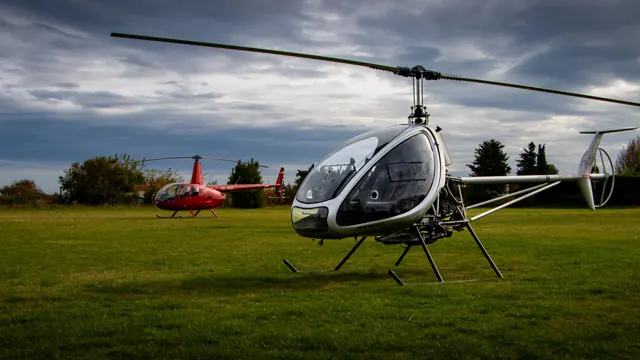
A Belgian light helicopter with two seats arranged side by side.
An Italian light aircraft known for military training and aerobatic use.
A wartime fighter developed from the earlier Curtiss P-36.
A four-seat high-wing single that spans generations of conventional instruments and glass cockpits.
A long-running touring single, familiar in both V-tail and conventional-tail forms.
The CJ4 belongs to Cessna's light-jet line, with two rear-mounted engines and a T-tail.
A corrugated-metal transport best known in its three-engine form.
A compact utility helicopter distinguished by its enclosed Fenestron tail rotor.
A tandem two-seat sailplane family used for training and cross-country soaring.
A four-engine tactical transport built around a rear loading ramp and access to austere airfields.
A self-launching sailplane family with its engine inside the fuselage and a folding nose propeller.
Embraer's regional-jet family, from the ERJ 135 to the longer ERJ 145.
A four-engine Airbus wide-body developed in parallel with the A330.
A long-range twin whose programme emphasised composite construction and more electrically powered systems.
Tecnam's two-seat, low-wing Sierra, introduced in the early 2000s.
A two-seat composite kit aircraft developed from the Lancair 320.
An enclosed gyroplane represented in VSKYLABS’ X-Plane fleet.
The Stationair utility family, combining a high wing with fixed landing gear.
A compact Japanese twin turboprop with a high wing and pressurised cabin.
Lockheed's wide-body TriStar, with three RB211 engines and a distinctive tail intake.
A short-haul jet family that evolved through several generations of engines, wings and flight decks.
New aircraft, useful sources and improvements to AirframeDB. Occasional updates, when there’s something to share.