MSFS
Dornier Seastar ↗
A composite amphibian that carries Dornier's centreline engine arrangement into the turboprop era.
1 implementations+ Compare
Explore the aircraft. Find your simulator. Follow the sources.
A composite amphibian that carries Dornier's centreline engine arrangement into the turboprop era.
A tandem-seat homebuilt jet with composite construction and retractable landing gear.
An enclosed-cabin development of the Bell 47, shaped for passenger and executive transport.
A four-seat composite touring and training aircraft developed from Diamond's smaller two-seater.
A four-engine tactical transport built around a rear loading ramp and access to austere airfields.
A modern composite twin with a roomy cabin and two wing-mounted piston engines.
A long-range trijet developed from the DC-10 with a stretched fuselage and revised wing and cockpit.
The purpose-built Ryan monoplane used by Charles Lindbergh for his 1927 solo Atlantic crossing.
A twin-engine business jet designed to retain some of the utility flexibility associated with the PC-12.
The Wilga is the real-aircraft starting point for Mike Patey's DRACO and the simulator's DRACO X.
A retractable-gear touring single with an all-metal airframe and a long-lived enthusiast following.
A British utility twin built around short regional and practical transport work.
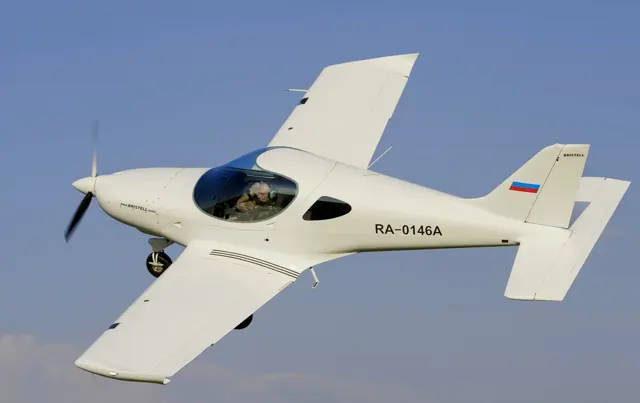
BRM Aero's two-seat B23, represented in MSFS by Airfoillabs.
SOCATA's touring-aircraft family, including the Tobago and Trinidad.
A box-shaped utility twin whose cabin and rear access are central to its design.
A tandem-seat utility aircraft whose light structure and high wing suit bush, towing and recreational work.
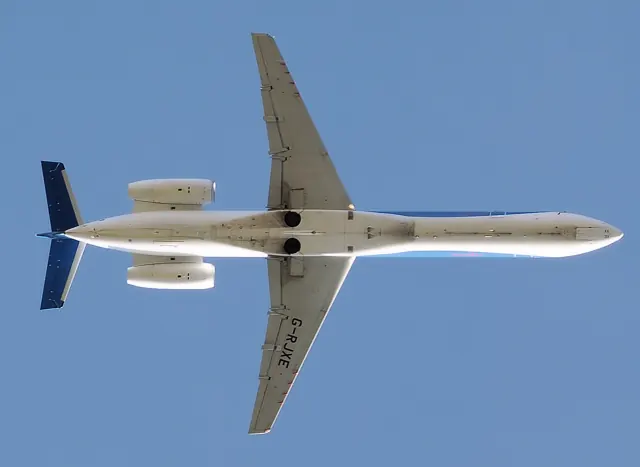
Embraer's regional-jet family, from the ERJ 135 to the longer ERJ 145.
A twin-radial airliner that helped make practical passenger transport a regular business.
Tecnam's two-seat, low-wing Sierra, introduced in the early 2000s.
A regional turboprop family whose short early versions and larger Q400 have different proportions and systems.
A twin-engine utility helicopter with roots in the BK 117 and EC145 families.
The CJ4 belongs to Cessna's light-jet line, with two rear-mounted engines and a T-tail.
A twin-turboprop family whose smaller conventional-tail and larger T-tail branches have distinct identities.
A single-seat aerobatic monoplane that also became a familiar air-racing aircraft.
This is AirframeDB’s first release. More features and aircraft research are planned. Leave your email if you’d like occasional updates.