MSFS
Draco X ↗
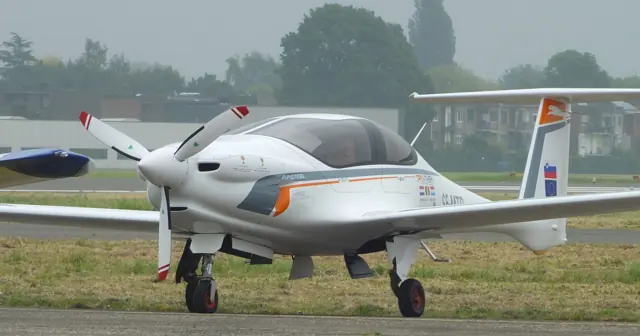
The Wilga is the real-aircraft starting point for Mike Patey's DRACO and the simulator's DRACO X.
1 implementations+ Compare
Explore the aircraft. Find your simulator. Follow the sources.
The Wilga is the real-aircraft starting point for Mike Patey's DRACO and the simulator's DRACO X.
A compact rear-engined jet designed for short-haul regional airline work.
A shorter wide-body Airbus from the transition to two-pilot, electronic-instrument cockpits.
An enclosed, two-seat autogyro with side-by-side seating and a pusher propeller.
A super-midsize business jet with a swept wing, rear-mounted engines and an integrated glass cockpit.
A carbon-fibre aerobatic monoplane family with a dedicated air-racing branch.
A twin-aisle Boeing designed alongside the 757's generation of two-pilot flight decks.
A tandem-seat jet trainer that also found a second life in civilian display and racing.
A modern composite twin with a roomy cabin and two wing-mounted piston engines.
A purpose-built aerobatic monoplane family developed by pilot and designer Walter Extra.
A tandem two-seat sailplane designed for instruction and broader soaring use.
Pipistrel's streamlined four-seat composite-aircraft design.
A DC-10-derived tanker that combined aerial refuelling with passenger and cargo transport.
The second-generation Harrier, designed around vectored thrust and short-field operation.
A six-engine flying boat created for long-distance passenger travel over water.
A three-engine airliner that became a mainstay of Soviet and Russian passenger transport.
A heavy-lift helicopter built around an open frame and an external working load.
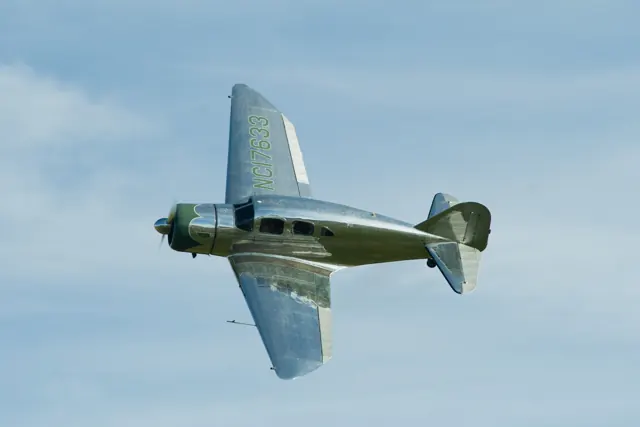
A late-1930s cabin aircraft with metal construction and retractable landing gear.
A four-engine military turboprop designed to combine tactical access with long-distance transport.
A pressurised single turboprop with a large cargo door and a broad range of working roles.
A corrugated-metal, three-engine transport from the formative years of airline travel.
A compact two-seat light aircraft with a high wing and a wide range of development variants.
A four-seat touring family whose Commander 114 added a larger engine and further refinements.
A self-launching sailplane family with its engine inside the fuselage and a folding nose propeller.
This is AirframeDB’s first release. More features and aircraft research are planned. Leave your email if you’d like occasional updates.