X-Plane
Lancair Evolution ↗
A four-seat, pressurised kit aircraft with a composite airframe and retractable landing gear.
1 implementations+ Compare
Explore the aircraft. Find your simulator. Follow the sources.
A four-seat, pressurised kit aircraft with a composite airframe and retractable landing gear.
A midsize business jet developed by Bombardier’s Learjet division.
A carbon-fibre aerobatic monoplane family with a dedicated air-racing branch.
A modern utility single whose family includes both tailwheel and nosewheel configurations.
A streamlined twin-engine helicopter with a Fenestron tail rotor and retractable landing gear.
A medium commercial helicopter designed for passenger and utility transport.
A twin-turboprop utility aircraft developed by Reims Aviation with Cessna.
A six-seat composite single turboprop with a pressurised cabin and retractable gear.
A pressurised single-engine turboprop family that combines a compact cabin with retractable gear.
A carrier-capable multirole fighter, larger than the earlier Hornet from which it developed.
A First World War trainer that became a familiar sight in the barnstorming era.
A 1920s transport family that developed from a single-engine airliner into a trimotor.
A pressurised four-engine piston transport from the last major generation before the jet airliner.
An open-cockpit biplane trainer that found a second life in civilian flying.
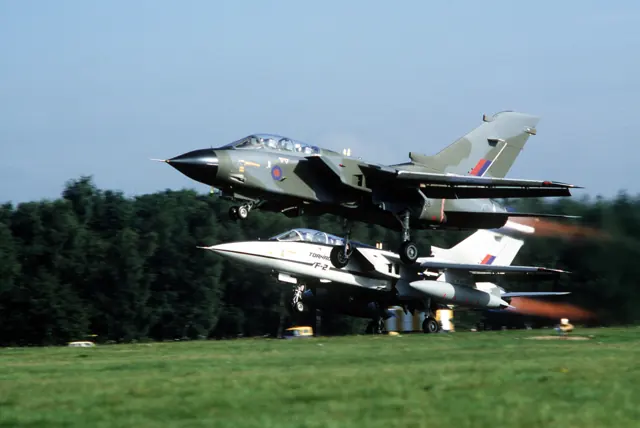
A European variable-sweep combat-aircraft family with distinct strike and interceptor versions.
The H130 utility helicopter, descended from the AS350 and fitted with a Fenestron.
A tandem-seat light aircraft with a streamlined low-wing layout.
A turbine-powered utility helicopter with a broad cabin and a long international service history.
A personal jet with one engine above the rear fuselage and a distinctive V-tail.
A large long-haul twin that introduced Boeing's first commercial fly-by-wire airliner flight controls.
A tandem two-seat sailplane designed for instruction and broader soaring use.
A corrugated-metal transport best known in its three-engine form.
A cabin biplane with the lower wing placed ahead of the upper one.
The Wilga is the real-aircraft starting point for Mike Patey's DRACO and the simulator's DRACO X.
This is AirframeDB’s first release. More features and aircraft research are planned. Leave your email if you’d like occasional updates.