MSFS
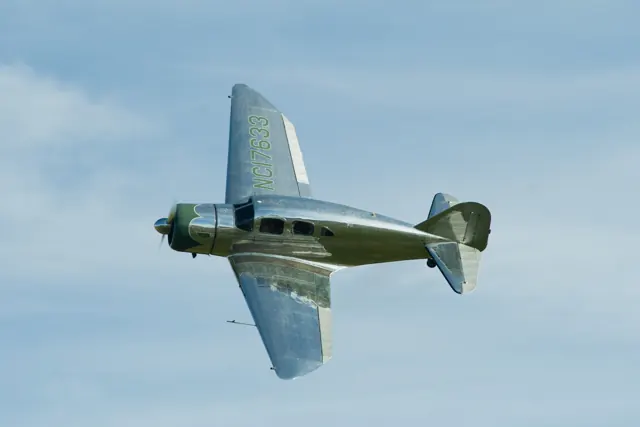
Beechcraft Model 17 Staggerwing ↗
A cabin biplane with the lower wing placed ahead of the upper one.
1 implementations+ Compare
Explore the aircraft. Find your simulator. Follow the sources.
A cabin biplane with the lower wing placed ahead of the upper one.
An amphibious turboprop designed around scooping water and delivering it to fires.
An Italian light aircraft known for military training and aerobatic use.
A four-abreast regional-jet family spanning the E170, E175, E190 and E195.
A shorter wide-body Airbus from the transition to two-pilot, electronic-instrument cockpits.
A compact two-seat light aircraft with a high wing and a wide range of development variants.
A pressurised single-engine turboprop family that combines a compact cabin with retractable gear.
A full-length double-deck airliner built for very high passenger capacity.
A modern composite twin with a roomy cabin and two wing-mounted piston engines.
A four-bladed utility helicopter developed from the LongRanger lineage.
A Polish utility aircraft designed for short takeoffs and landings.
An open-cockpit biplane trainer that found a second life in civilian flying.
A composite amphibian that carries Dornier's centreline engine arrangement into the turboprop era.
TorqueSim's Pocket Rocket, a simulated PT6-powered light aircraft with two gear layouts.
A utility piston twin designed for commuter and specialist transport missions.
A late-1930s cabin aircraft with metal construction and retractable landing gear.
A box-shaped utility twin whose cabin and rear access are central to its design.
A two-seat training single with a high wing and fixed tricycle landing gear.
A twin-turbine Huey descendant with a four-blade main rotor.
A compact Italian light twin with a shoulder wing and metal airframe.
A compact twin-engine transport helicopter with retractable gear and a long development history.
A compact utility helicopter distinguished by its enclosed Fenestron tail rotor.
A Canadian tandem-seat trainer developed after the Second World War.
This is AirframeDB’s first release. More features and aircraft research are planned. Leave your email if you’d like occasional updates.