MSFS
Boeing C-17 Globemaster III ↗
A jet-powered military transport designed for both strategic loads and tactical airfield access.
1 implementations+ Compare
Explore the aircraft. Find your simulator. Follow the sources.
A jet-powered military transport designed for both strategic loads and tactical airfield access.
A 1920s transport family that developed from a single-engine airliner into a trimotor.
A pioneering all-metal transport with an enclosed passenger cabin and corrugated skin.
A two-seat naval fighter with variable-sweep wings and a cockpit built around pilot and radar-intercept officer roles.
A twin-turbine Huey descendant with a four-blade main rotor.
A corrugated-metal, three-engine transport from the formative years of airline travel.
A very light twin jet developed from the Eclipse 500.
A Brazilian light trainer with a high wing, tandem seats and a simple utility layout.
An enlarged Velocity kit aircraft with a canard and rear-mounted pusher propeller.
A four-engine military turboprop designed to combine tactical access with long-distance transport.
A tandem-seat light aircraft with a streamlined low-wing layout.
A large long-haul twin that introduced Boeing's first commercial fly-by-wire airliner flight controls.
Cessna's unusual piston-powered helicopter, marketed as the Skyhook.
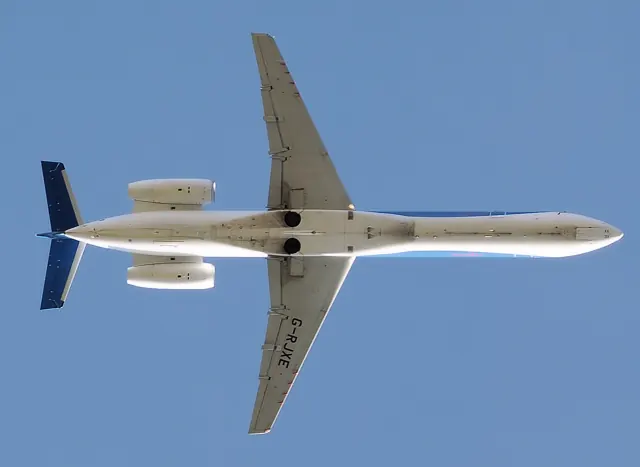
Embraer's regional-jet family, from the ERJ 135 to the longer ERJ 145.
Tecnam's four-seat high-wing single, built with metal and carbon-fibre components.
A specialised reconnaissance aircraft designed for very high altitude and sustained supersonic flight.
A tandem-seat utility aircraft whose light structure and high wing suit bush, towing and recreational work.
A large twin-engine helicopter from the Super Puma line, used for offshore and public-service work.
A compact twin-engine helicopter widely used for medical, police and training work.
A retractable-gear touring single with an all-metal airframe and a long-lived enthusiast following.
The four-engine wide-body whose raised flight deck created one of aviation's most recognisable profiles.
A narrow-body twin developed as a new generation of medium-range airliner.
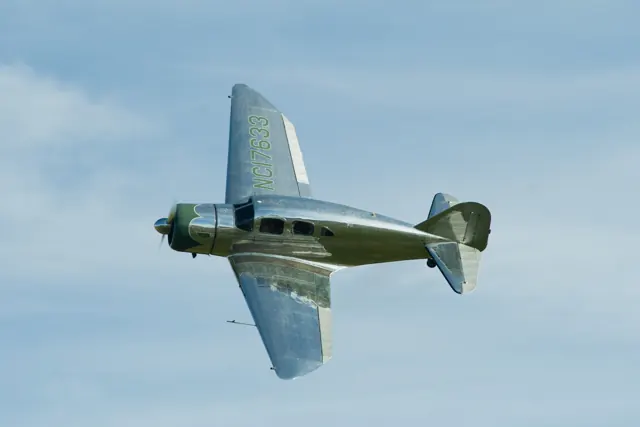
A late-1930s cabin aircraft with metal construction and retractable landing gear.
The purpose-built Ryan monoplane used by Charles Lindbergh for his 1927 solo Atlantic crossing.
This is AirframeDB’s first release. More features and aircraft research are planned. Leave your email if you’d like occasional updates.