X-Plane
Cessna 337 Skymaster ↗
A push-pull twin with one engine at each end of the central fuselage.
1 implementations+ Compare
Explore the aircraft. Find your simulator. Follow the sources.
A push-pull twin with one engine at each end of the central fuselage.
Cessna's unusual piston-powered helicopter, marketed as the Skyhook.
A specialised reconnaissance aircraft designed for very high altitude and sustained supersonic flight.
A Canadian tandem-seat trainer developed after the Second World War.
An open-cockpit biplane trainer that found a second life in civilian flying.
A long-range fighter whose different engine and canopy developments produced several distinct forms.
A utility piston twin designed for commuter and specialist transport missions.
A composite touring single with a whole-aircraft parachute and several generations of avionics.
The second-generation Harrier, designed around vectored thrust and short-field operation.
A four-bladed utility helicopter developed from the LongRanger lineage.
A fixed-gear twin turboprop with a long history in regional and remote-area transport.
A box-shaped utility twin whose cabin and rear access are central to its design.
A three-engine airliner that became a mainstay of Soviet and Russian passenger transport.
Cirrus's first type-certified aircraft, a composite piston single.
A large amphibious flying boat built around maritime rescue and utility transport.
A radial-engine trainer that also served in combat and civilian warbird roles.
A 1920s flying boat with two engines arranged in tandem above the wing.
A two-seat light amphibian with a compact boat hull and a pusher propeller.
A military liaison aircraft built around a high wing, tandem cabin and short-field utility work.
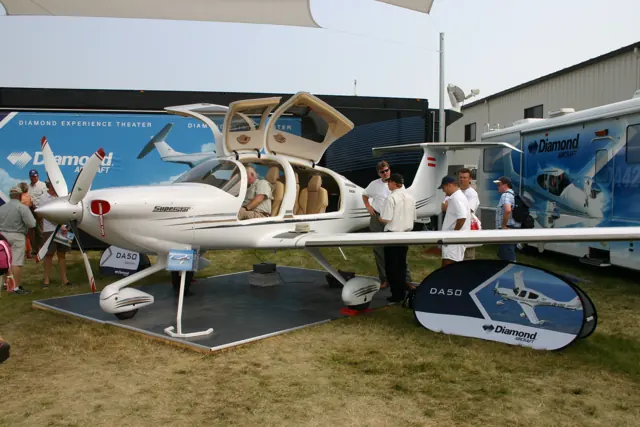
A five-seat composite single whose development led to the diesel DA50 RG.
A two-seat composite trainer with a low wing and a large canopy.
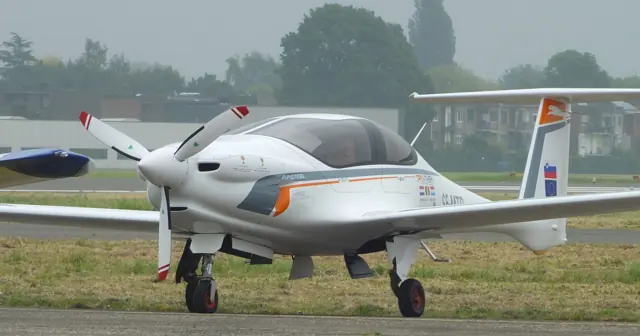
Pipistrel's streamlined four-seat composite-aircraft design.
A British utility twin built around short regional and practical transport work.
A long-running touring single, familiar in both V-tail and conventional-tail forms.
This is AirframeDB’s first release. More features and aircraft research are planned. Leave your email if you’d like occasional updates.