MSFS
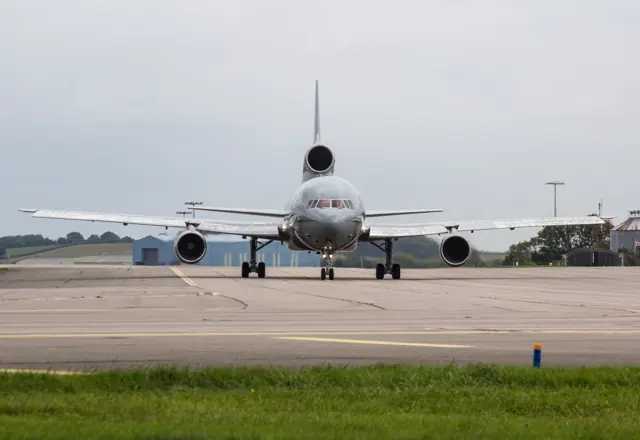
Lockheed L-1011 TriStar ↗
Lockheed's wide-body TriStar, with three RB211 engines and a distinctive tail intake.
1 implementations+ Compare
Explore the aircraft. Find your simulator. Follow the sources.
Lockheed's wide-body TriStar, with three RB211 engines and a distinctive tail intake.
A four-engine jetliner that helped establish the shape of long-distance jet travel.
A low-wing agricultural Cessna with a cockpit and hopper arranged around the job.
A small three-engine demonstrator created to explore technologies for a future supersonic airliner.
A Polish utility aircraft designed for short takeoffs and landings.
Mooney's four-seat piston family, developed through many touring-aircraft variants.
The Stationair utility family, combining a high wing with fixed landing gear.
A two-seat training single with a high wing and fixed tricycle landing gear.
An enlarged Velocity kit aircraft with a canard and rear-mounted pusher propeller.
A large long-haul twin that introduced Boeing's first commercial fly-by-wire airliner flight controls.
An advanced trainer known around the world as the Texan, Harvard and SNJ.
A retractable-gear touring single with an all-metal airframe and a long-lived enthusiast following.
A long-range twin designed around a new wide-body airframe and extensive composite construction.
An enclosed-cabin development of the Bell 47, shaped for passenger and executive transport.
Ted Smith's piston twin, later produced by Piper as the Aerostar.
A light business jet with a swept wing, rear-mounted engines and an integrated flight deck.
The second-generation Harrier, designed around vectored thrust and short-field operation.
A wooden touring-aircraft family recognisable by the upward-angled outer wing panels.
A modern composite twin with a roomy cabin and two wing-mounted piston engines.
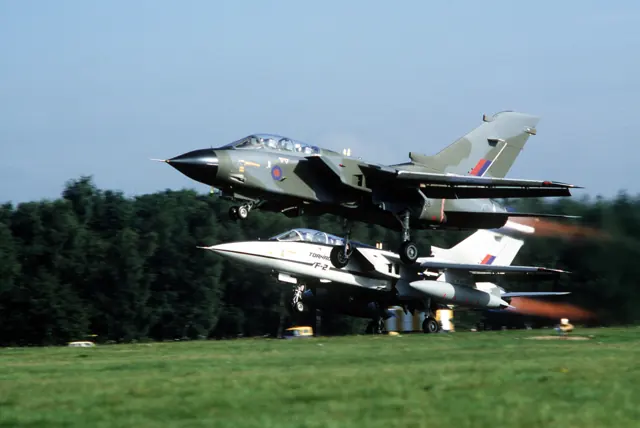
A European variable-sweep combat-aircraft family with distinct strike and interceptor versions.
A corrugated-metal, three-engine transport from the formative years of airline travel.
A box-shaped utility twin whose cabin and rear access are central to its design.
A 1920s transport family that developed from a single-engine airliner into a trimotor.
Beechcraft's Model 76, designed to introduce pilots to twin-engine flying.
This is AirframeDB’s first release. More features and aircraft research are planned. Leave your email if you’d like occasional updates.