MSFS
Tecnam P2002 Sierra ↗
Tecnam's two-seat, low-wing Sierra, introduced in the early 2000s.
1 implementations+ Compare
Explore the aircraft. Find your simulator. Follow the sources.
Tecnam's two-seat, low-wing Sierra, introduced in the early 2000s.
Lockheed's tandem-seat Shooting Star jet trainer.
A light turbine helicopter whose land-based Scout and naval Wasp branches served different jobs.
A small two-seat piston helicopter with a two-bladed main rotor.
The H130 utility helicopter, descended from the AS350 and fitted with a Fenestron.
The CJ4 belongs to Cessna's light-jet line, with two rear-mounted engines and a T-tail.
A medium commercial helicopter designed for passenger and utility transport.
An open-cockpit biplane trainer that found a second life in civilian flying.
A regional turboprop family whose short early versions and larger Q400 have different proportions and systems.
A stretched development of the DC-9 with rear-mounted engines and a five-abreast cabin.
A tandem two-seat sailplane designed for instruction and broader soaring use.
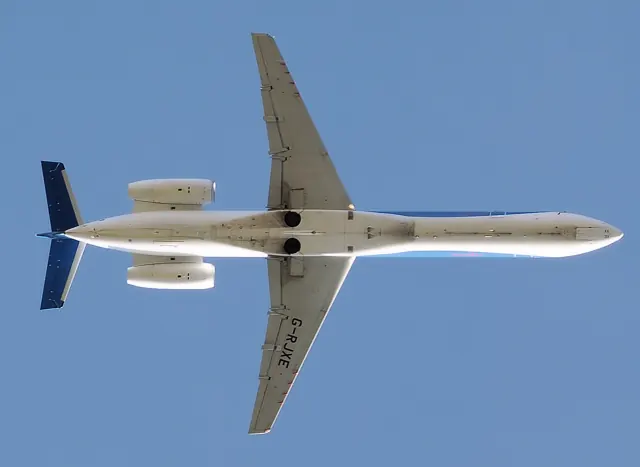
Embraer's regional-jet family, from the ERJ 135 to the longer ERJ 145.
A Polish utility aircraft designed for short takeoffs and landings.
A turbine-powered utility helicopter with a broad cabin and a long international service history.
A compact racing aeroplane built around a large radial engine and very short fuselage.
The Wilga is the real-aircraft starting point for Mike Patey's DRACO and the simulator's DRACO X.
A push-pull twin with one engine at each end of the central fuselage.
A two-seat Tecnam high-wing aircraft combining composite and metal construction.
A box-shaped utility twin whose cabin and rear access are central to its design.
A compact rear-engined jet designed for short-haul regional airline work.
A tailwheel utility single built around a high wing and a substantial working cabin.
The fixed-gear, six-cylinder touring branch of Piper's PA-28 family.
A wooden touring-aircraft family recognisable by the upward-angled outer wing panels.
This is AirframeDB’s first release. More features and aircraft research are planned. Leave your email if you’d like occasional updates.