MSFS
Westland Scout / Wasp ↗
A light turbine helicopter whose land-based Scout and naval Wasp branches served different jobs.
1 implementations+ Compare
Explore the aircraft. Find your simulator. Follow the sources.
A light turbine helicopter whose land-based Scout and naval Wasp branches served different jobs.
A close-air-support aircraft with a straight wing, twin tail and two widely separated jet engines.
A huge wooden flying-boat prototype that made one brief flight in 1947.
A hybrid-electric regional-airliner concept represented in the simulator while the real programme develops.
A regional jet family with four small engines, a high wing and a large split tail airbrake.
A twin-engine utility helicopter with roots in the BK 117 and EC145 families.
A utility piston twin designed for commuter and specialist transport missions.
The fixed-gear, six-cylinder touring branch of Piper's PA-28 family.
A composite amphibian that carries Dornier's centreline engine arrangement into the turboprop era.
A large twin-radial transport that carried heavy loads through wartime and post-war freight service.
A compact twin-engine transport helicopter with retractable gear and a long development history.
A wartime fighter developed from the earlier Curtiss P-36.
A modern two-seat piston helicopter designed around the training role.
The Huey: a turbine-powered utility helicopter with a broad cabin and an unmistakable two-bladed rotor.
A twin-turboprop regional airliner developed through Swedish and American industrial cooperation.
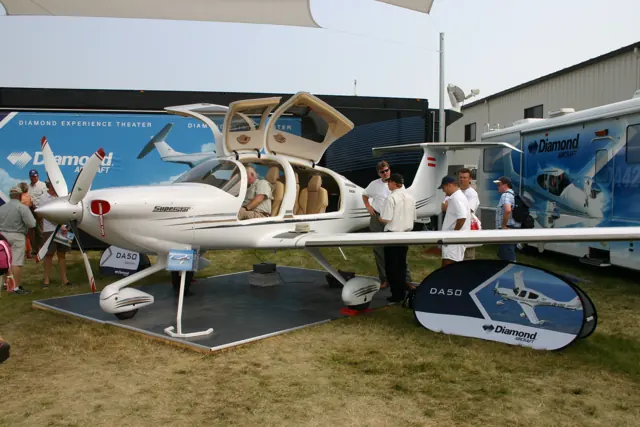
A five-seat composite single whose development led to the diesel DA50 RG.
A single-seat competition sailplane offered in Standard and 18-metre configurations.
A jet-powered military transport designed for both strategic loads and tactical airfield access.
The H130 utility helicopter, descended from the AS350 and fitted with a Fenestron.
A French two-seat aerobatic trainer with side-by-side seating and a distinctive curved wing outline.
A fixed-wing observation aircraft with a helicopter-like view from its glazed nose.
A stretched development of the DC-9 with rear-mounted engines and a five-abreast cabin.
A long-range trijet developed from the DC-10 with a stretched fuselage and revised wing and cockpit.
The second-generation Harrier, designed around vectored thrust and short-field operation.
This is AirframeDB’s first release. More features and aircraft research are planned. Leave your email if you’d like occasional updates.