MSFS
Pipistrel Virus SW 121 ↗
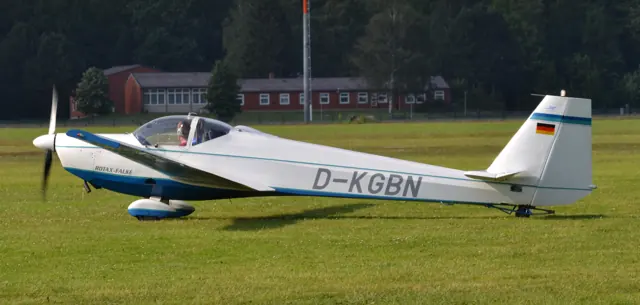
A compact two-seat light aircraft with a high wing and a wide range of development variants.
2 implementations+ Compare
Explore the aircraft. Find your simulator. Follow the sources.
A compact two-seat light aircraft with a high wing and a wide range of development variants.
TorqueSim's Pocket Rocket, a simulated PT6-powered light aircraft with two gear layouts.
A vast inter-war flying boat with twelve engines arranged in six paired installations.
A tandem two-seat sailplane designed for instruction and broader soaring use.
A fixed-wing observation aircraft with a helicopter-like view from its glazed nose.
An all-metal sport and touring aircraft from Bayerische Flugzeugwerke.
A side-by-side touring motorglider used for both powered flying and soaring.
A small observation-helicopter family with a rounded cabin and compact rotor system.
A wooden touring-aircraft family recognisable by the upward-angled outer wing panels.
Grumman’s small twin-engine amphibian: a flying boat with retractable wheels and a life spanning wartime service, private travel and seaplane training.
A corrugated-metal, three-engine transport from the formative years of airline travel.
A swept-wing business jet designed around high subsonic cruise speed.
A long-range fighter whose different engine and canopy developments produced several distinct forms.
A five-seat composite single whose development led to the diesel DA50 RG.
A Hungarian two-seat light helicopter powered by a Rotax 915 iS.
Lockheed's wide-body TriStar, with three RB211 engines and a distinctive tail intake.
The turboprop-powered member of Beechcraft’s tandem-seat Mentor training family.
A long-haul twin whose family spans passenger, freight and specialist transport roles.
A large amphibious flying boat built around maritime rescue and utility transport.
A tailwheel utility single built around a high wing and a substantial working cabin.
A close-air-support aircraft with a straight wing, twin tail and two widely separated jet engines.
A pioneering light helicopter whose bubble cabin and exposed structure became widely recognisable.
The four-engine wide-body whose raised flight deck created one of aviation's most recognisable profiles.
A cabin-class piston twin designed for commuter, cargo and utility work.
New aircraft, useful sources and improvements to AirframeDB. Occasional updates, when there’s something to share.