X-Plane
Cessna 337 Skymaster ↗
A push-pull twin with one engine at each end of the central fuselage.
1 implementations+ Compare
Explore the aircraft. Find your simulator. Follow the sources.
A push-pull twin with one engine at each end of the central fuselage.
A long-running touring single, familiar in both V-tail and conventional-tail forms.
A fixed-wing observation aircraft with a helicopter-like view from its glazed nose.
A light turbine helicopter combining an Alouette II airframe with more powerful Alouette III components.
A post-war Businessliner with a radial engine, cabin transport ambitions and tailwheel gear.
The Model 525 CitationJet, the starting point of Cessna's CJ and M2 lineage.
A two-seat Tecnam high-wing aircraft combining composite and metal construction.
A two-seat composite light-aircraft family with a high wing and a compact enclosed cabin.
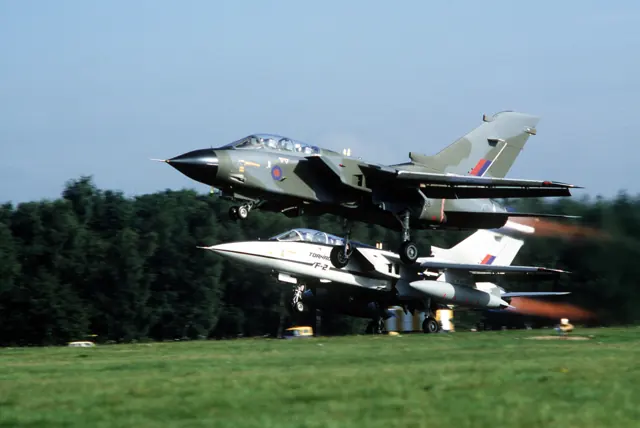
A European variable-sweep combat-aircraft family with distinct strike and interceptor versions.
The CJ4 belongs to Cessna's light-jet line, with two rear-mounted engines and a T-tail.
A two-seat light amphibian with a compact boat hull and a pusher propeller.
A twin-radial military transport with a rear ramp and short-field design priorities.
A stretched development of the DC-9 with rear-mounted engines and a five-abreast cabin.
A modern two-seat piston helicopter designed around the training role.
A specialised reconnaissance aircraft designed for very high altitude and sustained supersonic flight.
A small three-engine demonstrator created to explore technologies for a future supersonic airliner.
A Polish utility aircraft designed for short takeoffs and landings.
A Swedish reconnaissance and dive-bombing aircraft from the early 1940s.
A radial-engine trainer that also served in combat and civilian warbird roles.
A post-war Czech light twin with a rounded cabin and engines carried on a low wing.
A very large single-engine biplane designed for practical work from modest airfields.
A tandem two-seat sailplane family used for training and cross-country soaring.
A personal jet with one engine above the rear fuselage and a distinctive V-tail.
This is AirframeDB’s first release. More features and aircraft research are planned. Leave your email if you’d like occasional updates.