X-Plane
Phoenix Air U15 Phoenix ↗
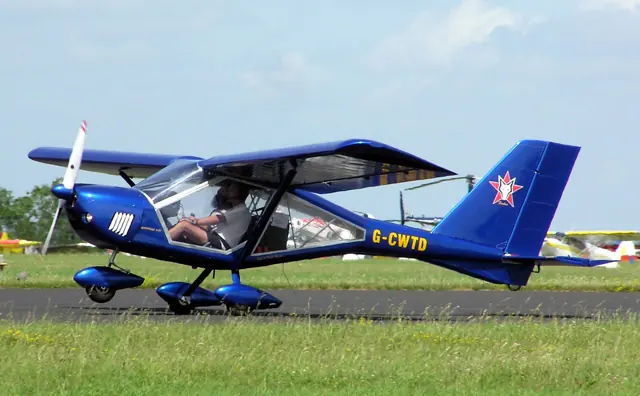
A two-seat touring motorglider with interchangeable wing tips.
1 implementations+ Compare
Explore the aircraft. Find your simulator. Follow the sources.
A two-seat touring motorglider with interchangeable wing tips.
A push-pull twin with one engine at each end of the central fuselage.
A single-seat helicopter originally developed as a homebuilt kit.
A four-seat touring family whose Commander 114 added a larger engine and further refinements.
An Italian light aircraft known for military training and aerobatic use.
A post-war Businessliner with a radial engine, cabin transport ambitions and tailwheel gear.
A pressurised regional airliner with a high wing and two Rolls-Royce Dart turboprops.
A huge wooden flying-boat prototype that made one brief flight in 1947.
A full-length double-deck airliner built for very high passenger capacity.
Lockheed's tandem-seat Shooting Star jet trainer.
A high-wing light sport aircraft with a broad glazed cabin and tricycle landing gear.
A single-engine turboprop workhorse for passenger services, freight and remote-area transport.
A pioneering light helicopter whose bubble cabin and exposed structure became widely recognisable.
A military liaison aircraft built around a high wing, tandem cabin and short-field utility work.
A low-wing piston twin that carries the Beechcraft touring-aircraft lineage into two-engine flying.
A twin-engine business jet designed to retain some of the utility flexibility associated with the PC-12.
A small observation-helicopter family with a rounded cabin and compact rotor system.
A twin-hull flying boat with its engines mounted together above the wing.
The fixed-gear, six-cylinder touring branch of Piper's PA-28 family.
A four-seat, pressurised kit aircraft with a composite airframe and retractable landing gear.
A composite two-seat light sport aircraft with an unobstructed cantilever high wing.
Regional flying built around a high wing, two turboprops and short sectors.
A swept-wing business jet designed around high subsonic cruise speed.
A Canadian tandem-seat trainer developed after the Second World War.
New aircraft, useful sources and improvements to AirframeDB. Occasional updates, when there’s something to share.