MSFS
Draco X ↗
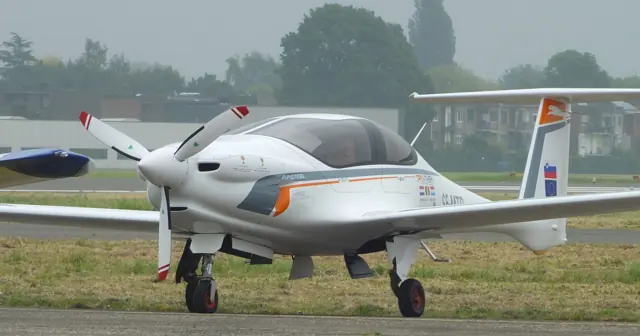
The Wilga is the real-aircraft starting point for Mike Patey's DRACO and the simulator's DRACO X.
1 implementations+ Compare
Explore the aircraft. Find your simulator. Follow the sources.
The Wilga is the real-aircraft starting point for Mike Patey's DRACO and the simulator's DRACO X.
A lightweight pusher family with an enclosed cabin and a high, braced wing.
An open, single-seat ultralight with its propeller behind the pilot.
A long-range twin whose programme emphasised composite construction and more electrically powered systems.
A light turbine helicopter whose land-based Scout and naval Wasp branches served different jobs.
A low-wing agricultural Cessna with a cockpit and hopper arranged around the job.
A twin-radial military transport with a rear ramp and short-field design priorities.
A radial-engine trainer that also served in combat and civilian warbird roles.
A compact Italian light twin with a shoulder wing and metal airframe.
Airbus's first production aircraft, built around a twin-engine wide-body layout.
A four-seat composite touring and training aircraft developed from Diamond's smaller two-seater.
A military liaison aircraft built around a high wing, tandem cabin and short-field utility work.
The H130 utility helicopter, descended from the AS350 and fitted with a Fenestron.
A high-wing twin turboprop developed for regional freight and passenger transport.
A huge wooden flying-boat prototype that made one brief flight in 1947.
A carrier-capable multirole fighter, larger than the earlier Hornet from which it developed.
Pipistrel's streamlined four-seat composite-aircraft design.
A four-engine military turboprop designed to combine tactical access with long-distance transport.
Regional flying built around a high wing, two turboprops and short sectors.
Mooney's four-seat piston family, developed through many touring-aircraft variants.
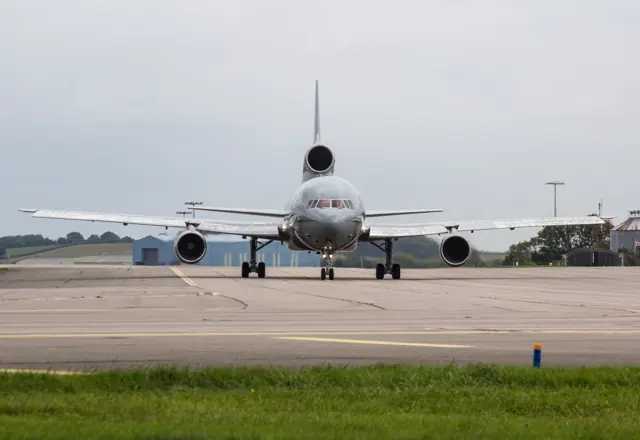
Lockheed's wide-body TriStar, with three RB211 engines and a distinctive tail intake.
Dassault's long-range Falcon 8X, developed from the three-engine 7X.
A self-launching sailplane family with its engine inside the fuselage and a folding nose propeller.
This is AirframeDB’s first release. More features and aircraft research are planned. Leave your email if you’d like occasional updates.