MSFS
Heart Aerospace ES-30 ↗
A hybrid-electric regional-airliner concept represented in the simulator while the real programme develops.
1 implementations+ Compare
Explore the aircraft. Find your simulator. Follow the sources.
A hybrid-electric regional-airliner concept represented in the simulator while the real programme develops.
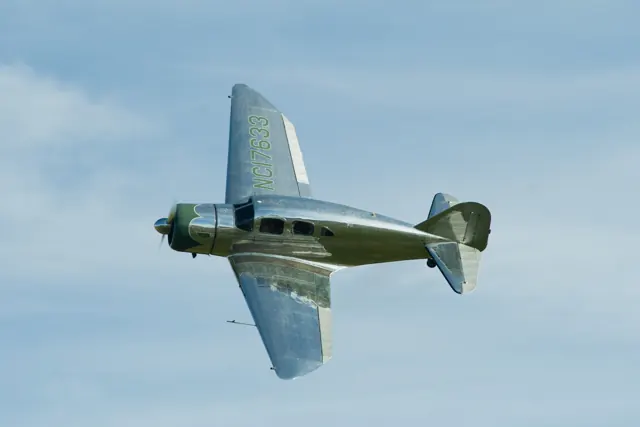
A late-1930s cabin aircraft with metal construction and retractable landing gear.
A First World War trainer that became a familiar sight in the barnstorming era.
A purpose-built agricultural aircraft that also became a single-engine air tanker.
A stretched development of the DC-9 with rear-mounted engines and a five-abreast cabin.
Airbus's first production aircraft, built around a twin-engine wide-body layout.
A box-shaped utility twin whose cabin and rear access are central to its design.
The Model 525 CitationJet, the starting point of Cessna's CJ and M2 lineage.
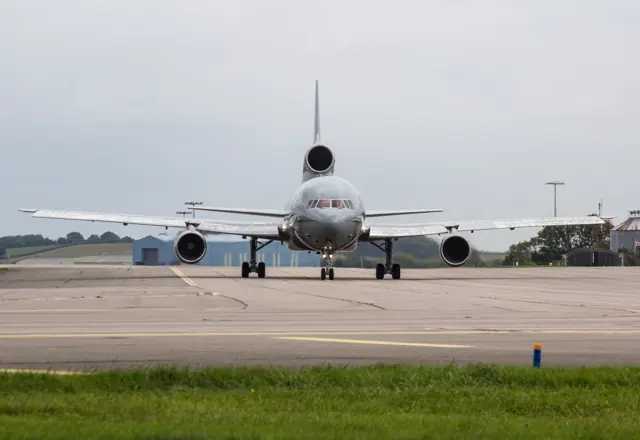
Lockheed's wide-body TriStar, with three RB211 engines and a distinctive tail intake.
A large twin-engine helicopter from the Super Puma line, used for offshore and public-service work.
A super-midsize business jet with a swept wing, rear-mounted engines and an integrated glass cockpit.
The JetRanger and LongRanger family: a familiar turbine-helicopter shape with distinct cabin lengths.
The fixed-gear, six-cylinder touring branch of Piper's PA-28 family.
A huge wooden flying-boat prototype that made one brief flight in 1947.
A twin-engine business jet designed to retain some of the utility flexibility associated with the PC-12.
A pioneering light helicopter whose bubble cabin and exposed structure became widely recognisable.
A compact Italian light twin with a shoulder wing and metal airframe.
A military transport developed from the DC-3, used for cargo, troops, parachuting and glider towing.
A small three-engine demonstrator created to explore technologies for a future supersonic airliner.
A wide-cabin business-jet family that developed from Canadair's original Challenger programme.
A long-range twin whose programme emphasised composite construction and more electrically powered systems.
A tandem-seat light aircraft with a streamlined low-wing layout.
A pressurised touring twin whose piston and turbine-conversion versions make a particularly interesting comparison.
The second-generation Harrier, designed around vectored thrust and short-field operation.
This is AirframeDB’s first release. More features and aircraft research are planned. Leave your email if you’d like occasional updates.