MSFS
Beechcraft Model 17 Staggerwing ↗
A cabin biplane with the lower wing placed ahead of the upper one.
1 implementations+ Compare
Explore the aircraft. Find your simulator. Follow the sources.
A cabin biplane with the lower wing placed ahead of the upper one.
A British utility twin built around short regional and practical transport work.
A purpose-built aerobatic monoplane family developed by pilot and designer Walter Extra.
A tailwheel utility single built around a high wing and a substantial working cabin.
An open-cockpit biplane trainer that found a second life in civilian flying.
A First World War trainer that became a familiar sight in the barnstorming era.
A large twin-radial transport that carried heavy loads through wartime and post-war freight service.
A four-seat, pressurised kit aircraft with a composite airframe and retractable landing gear.
A two-seat light amphibian with a compact boat hull and a pusher propeller.
A two-seat composite kit aircraft developed from the Lancair 320.
A family of single-aisle airliners built around sidesticks, electronic flight controls and a shared cockpit.
A wooden touring-aircraft family recognisable by the upward-angled outer wing panels.
A stretched development of the DC-9 with rear-mounted engines and a five-abreast cabin.
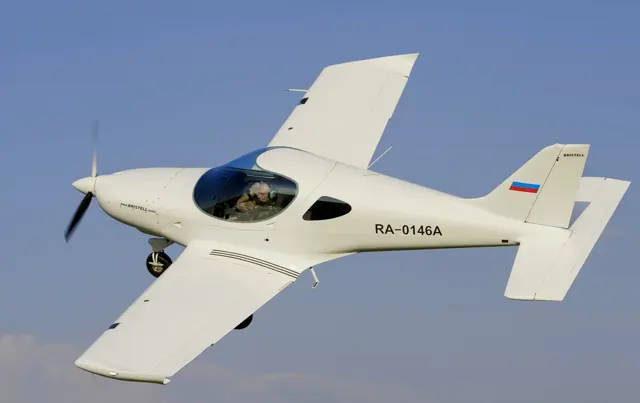
BRM Aero's two-seat B23, represented in MSFS by Airfoillabs.
A lightweight pusher family with an enclosed cabin and a high, braced wing.
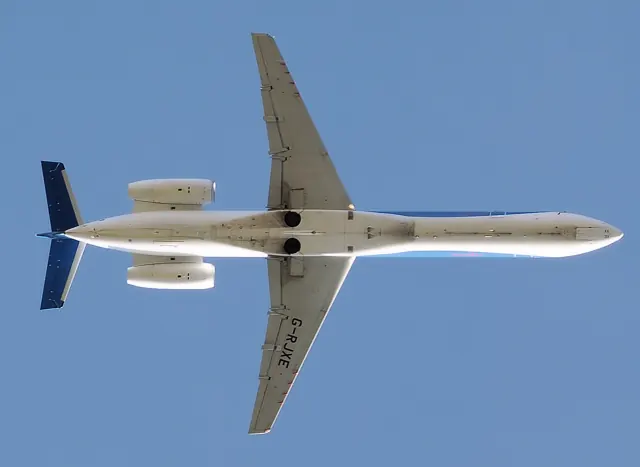
Embraer's regional-jet family, from the ERJ 135 to the longer ERJ 145.
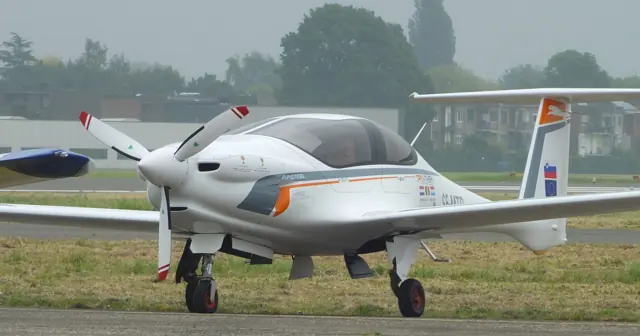
Pipistrel's streamlined four-seat composite-aircraft design.
A composite amphibian that carries Dornier's centreline engine arrangement into the turboprop era.
A composite touring single with a whole-aircraft parachute and several generations of avionics.
A twin-engine business jet designed to retain some of the utility flexibility associated with the PC-12.
A long-running touring single, familiar in both V-tail and conventional-tail forms.
A four-seat touring family whose Commander 114 added a larger engine and further refinements.
A twin-turboprop family whose smaller conventional-tail and larger T-tail branches have distinct identities.
The CJ4 belongs to Cessna's light-jet line, with two rear-mounted engines and a T-tail.
This is AirframeDB’s first release. More features and aircraft research are planned. Leave your email if you’d like occasional updates.