MSFS
Airbus H145 ↗
A twin-engine utility helicopter with roots in the BK 117 and EC145 families.
1 implementations+ Compare
Explore the aircraft. Find your simulator. Follow the sources.
A twin-engine utility helicopter with roots in the BK 117 and EC145 families.
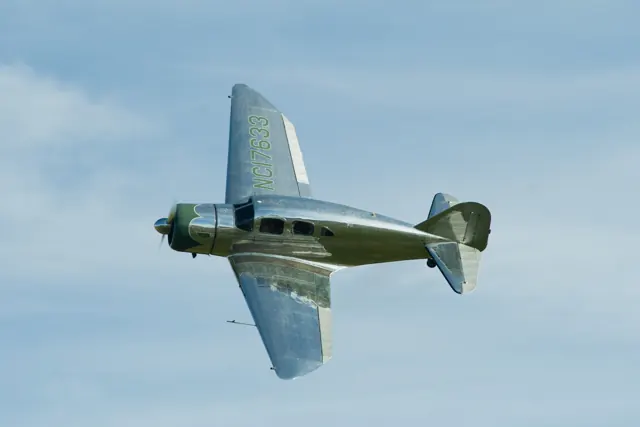
A late-1930s cabin aircraft with metal construction and retractable landing gear.
A twin-radial airliner that helped make practical passenger transport a regular business.
A post-war Czech light twin with a rounded cabin and engines carried on a low wing.
A compact utility helicopter distinguished by its enclosed Fenestron tail rotor.
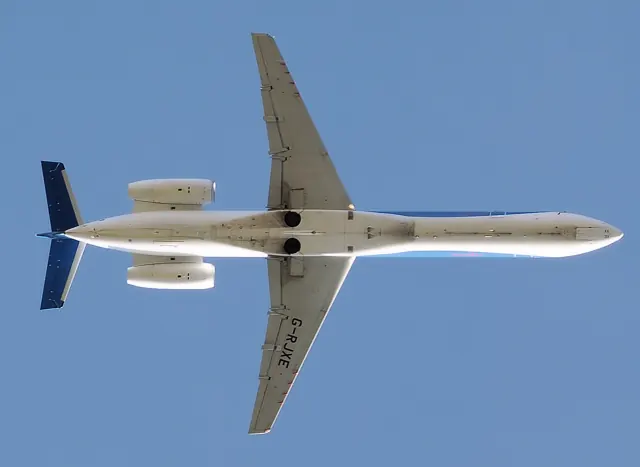
Embraer's regional-jet family, from the ERJ 135 to the longer ERJ 145.
A specialised reconnaissance aircraft designed for very high altitude and sustained supersonic flight.
A shorter wide-body Airbus from the transition to two-pilot, electronic-instrument cockpits.
A close-air-support aircraft with a straight wing, twin tail and two widely separated jet engines.
A hybrid-electric regional-airliner concept represented in the simulator while the real programme develops.
A composite amphibian that carries Dornier's centreline engine arrangement into the turboprop era.
A twin-turboprop regional airliner developed through Swedish and American industrial cooperation.
A four-bladed utility helicopter developed from the LongRanger lineage.
A four-engine Airbus wide-body developed in parallel with the A330.
A First World War trainer that became a familiar sight in the barnstorming era.
A low-wing agricultural Cessna with a cockpit and hopper arranged around the job.
A corrugated-metal transport best known in its three-engine form.
A long-range twin whose programme emphasised composite construction and more electrically powered systems.
A four-seat, pressurised kit aircraft with a composite airframe and retractable landing gear.
A family of single-aisle airliners built around sidesticks, electronic flight controls and a shared cockpit.
A retractable-gear touring single with an all-metal airframe and a long-lived enthusiast following.
A stretched development of the DC-9 with rear-mounted engines and a five-abreast cabin.
A tandem-seat homebuilt jet with composite construction and retractable landing gear.
The Wilga is the real-aircraft starting point for Mike Patey's DRACO and the simulator's DRACO X.
This is AirframeDB’s first release. More features and aircraft research are planned. Leave your email if you’d like occasional updates.