MSFS
MX Aircraft MXS-R ↗
A carbon-fibre aerobatic monoplane family with a dedicated air-racing branch.
1 implementations+ Compare
Explore the aircraft. Find your simulator. Follow the sources.
A carbon-fibre aerobatic monoplane family with a dedicated air-racing branch.
A compact utility helicopter distinguished by its enclosed Fenestron tail rotor.
A twin-turbine Huey descendant with a four-blade main rotor.
A specialised reconnaissance aircraft designed for very high altitude and sustained supersonic flight.
A post-war Czech light twin with a rounded cabin and engines carried on a low wing.
A self-launching sailplane family with its engine inside the fuselage and a folding nose propeller.
The CJ4 belongs to Cessna's light-jet line, with two rear-mounted engines and a T-tail.
A box-shaped utility twin whose cabin and rear access are central to its design.
A purpose-built agricultural aircraft that also became a single-engine air tanker.
A modern composite twin with a roomy cabin and two wing-mounted piston engines.
A First World War trainer that became a familiar sight in the barnstorming era.
A three-engine airliner that became a mainstay of Soviet and Russian passenger transport.
A compact two-seat light aircraft with a high wing and a wide range of development variants.
A twin-turboprop family whose smaller conventional-tail and larger T-tail branches have distinct identities.
A push-pull twin with one engine at each end of the central fuselage.
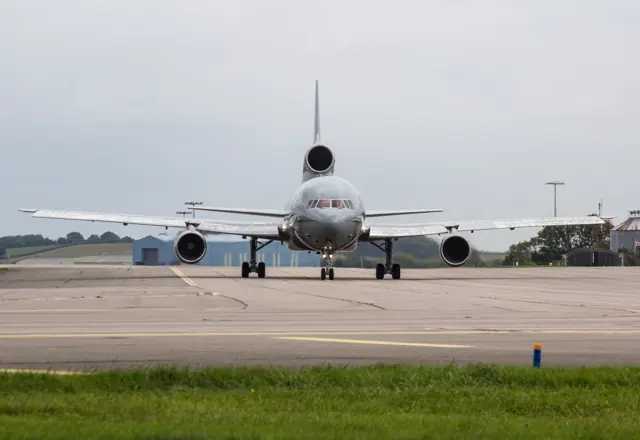
Lockheed's wide-body TriStar, with three RB211 engines and a distinctive tail intake.
A military transport developed from the DC-3, used for cargo, troops, parachuting and glider towing.
A full-length double-deck airliner built for very high passenger capacity.
A four-bladed utility helicopter developed from the LongRanger lineage.
A Canadian tandem-seat trainer developed after the Second World War.
Beechcraft's Model 76, designed to introduce pilots to twin-engine flying.
A twin-engine utility helicopter with roots in the BK 117 and EC145 families.
A carrier-capable multirole fighter, larger than the earlier Hornet from which it developed.
A side-by-side two-seat sailplane with a retractable powerplant for self-launching.
This is AirframeDB’s first release. More features and aircraft research are planned. Leave your email if you’d like occasional updates.