MSFS
Robinson R66 ↗
A five-seat turbine helicopter developed from Robinson's smaller piston-helicopter line.
2 implementations+ Compare
Explore the aircraft. Find your simulator. Follow the sources.
A five-seat turbine helicopter developed from Robinson's smaller piston-helicopter line.
A twin-aisle Boeing designed alongside the 757's generation of two-pilot flight decks.
A composite touring single with a whole-aircraft parachute and several generations of avionics.
A large twin-engine helicopter from the Super Puma line, used for offshore and public-service work.
A push-pull twin with one engine at each end of the central fuselage.
A utility piston twin designed for commuter and specialist transport missions.
Two related Dutch regional jets developed from the F28 lineage.
A pressurised single-engine turboprop family that combines a compact cabin with retractable gear.
A tailwheel utility single built around a high wing and a substantial working cabin.
A Swedish reconnaissance and dive-bombing aircraft from the early 1940s.
The second-generation Harrier, designed around vectored thrust and short-field operation.
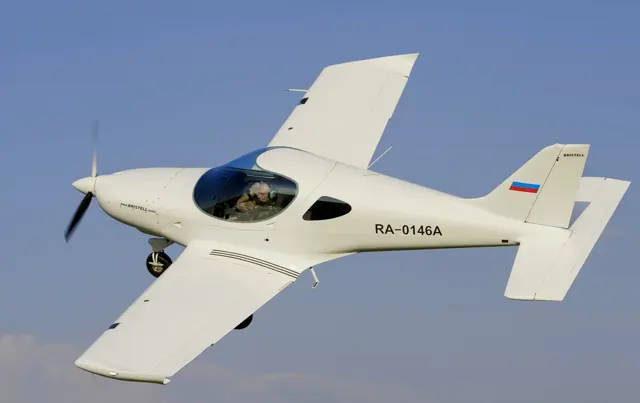
BRM Aero's two-seat B23, represented in MSFS by Airfoillabs.
A long-running touring single, familiar in both V-tail and conventional-tail forms.
Lockheed's tandem-seat Shooting Star jet trainer.
The purpose-built Ryan monoplane used by Charles Lindbergh for his 1927 solo Atlantic crossing.
A pioneering all-metal transport with an enclosed passenger cabin and corrugated skin.
A rear-engined trijet built to bring jet service to shorter routes and smaller airports.
A low-wing piston family that spans simple trainers, touring aircraft and retractable-gear Arrows.
A pressurised single turboprop with a large cargo door and a broad range of working roles.
A long-range strategic bomber with a swept wing and eight jet engines in paired pods.
A British jet trainer with tandem seating and a long military training career.
The four-engine wide-body whose raised flight deck created one of aviation's most recognisable profiles.
A compact Czech touring aircraft with side-by-side seats and a streamlined low-wing airframe.
The Wilga is the real-aircraft starting point for Mike Patey's DRACO and the simulator's DRACO X.
This is AirframeDB’s first release. More features and aircraft research are planned. Leave your email if you’d like occasional updates.