MSFS
ATR 42-600 / 72-600 ↗
Regional flying built around a high wing, two turboprops and short sectors.
1 implementations+ Compare
Explore the aircraft. Find your simulator. Follow the sources.
Regional flying built around a high wing, two turboprops and short sectors.
A pressurised four-engine piston transport from the last major generation before the jet airliner.
A five-seat turbine helicopter developed from Robinson's smaller piston-helicopter line.
A twin-engine utility helicopter with roots in the BK 117 and EC145 families.
A box-shaped utility twin whose cabin and rear access are central to its design.
A six-engine flying boat created for long-distance passenger travel over water.
A long-range fighter whose different engine and canopy developments produced several distinct forms.
A two-seat composite kit aircraft developed from the Lancair 320.
Two related Dutch regional jets developed from the F28 lineage.
A twin-turboprop family whose smaller conventional-tail and larger T-tail branches have distinct identities.
A compact Italian light twin with a shoulder wing and metal airframe.
A streamlined light twin helicopter, with the later Bell 230 in the same family.
A swept-wing business jet designed around high subsonic cruise speed.
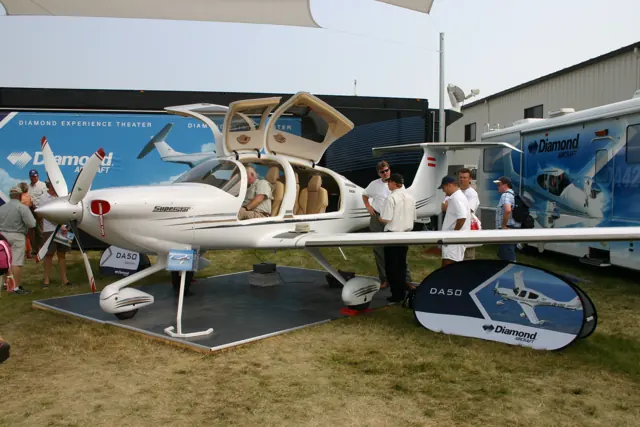
A five-seat composite single whose development led to the diesel DA50 RG.
A pioneering light helicopter whose bubble cabin and exposed structure became widely recognisable.
A modern two-seat piston helicopter designed around the training role.
A two-seat naval fighter with variable-sweep wings and a cockpit built around pilot and radar-intercept officer roles.
A modern medium twin-engine helicopter developed as a successor to the Dauphin line.
A large twin-radial transport that carried heavy loads through wartime and post-war freight service.
A two-seat light amphibian with a compact boat hull and a pusher propeller.
A stretched development of the DC-9 with rear-mounted engines and a five-abreast cabin.
A radial-engine trainer that also served in combat and civilian warbird roles.
A long-haul twin whose family spans passenger, freight and specialist transport roles.
The second-generation Harrier, designed around vectored thrust and short-field operation.
This is AirframeDB’s first release. More features and aircraft research are planned. Leave your email if you’d like occasional updates.