MSFS
Boom XB-1 ↗
A small three-engine demonstrator created to explore technologies for a future supersonic airliner.
1 implementations+ Compare
Explore the aircraft. Find your simulator. Follow the sources.
A small three-engine demonstrator created to explore technologies for a future supersonic airliner.
A high-wing utility aircraft known for short-field work and a broad choice of working configurations.
A Brazilian light trainer with a high wing, tandem seats and a simple utility layout.
A British jet trainer with tandem seating and a long military training career.
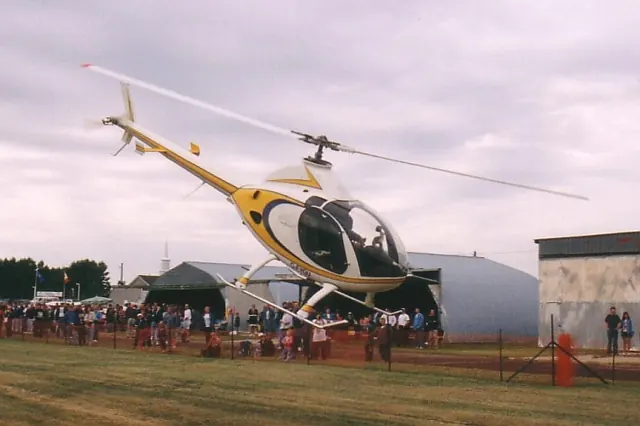
A modern two-seat piston helicopter designed around the training role.
A wartime fighter developed from the earlier Curtiss P-36.
The Wilga is the real-aircraft starting point for Mike Patey's DRACO and the simulator's DRACO X.
A twin-engine business jet designed to retain some of the utility flexibility associated with the PC-12.
A compact aerobatic biplane family with both single-seat and tandem-seat branches.
A post-war Businessliner with a radial engine, cabin transport ambitions and tailwheel gear.
A wooden touring-aircraft family recognisable by the upward-angled outer wing panels.
A long-range trijet developed from the DC-10 with a stretched fuselage and revised wing and cockpit.
A jet-powered military transport designed for both strategic loads and tactical airfield access.
A large long-haul twin that introduced Boeing's first commercial fly-by-wire airliner flight controls.
A compact Japanese twin turboprop with a high wing and pressurised cabin.
A single-seat competition sailplane offered in Standard and 18-metre configurations.
RotorWay's two-seat kit-helicopter family, with piston and turbine simulator interpretations.
A twin-hull flying boat with its engines mounted together above the wing.
A four-engine jetliner that helped establish the shape of long-distance jet travel.
A fixed-wing observation aircraft with a helicopter-like view from its glazed nose.
Epic's experimental light-jet project, represented in simulation by Aerobask.
The purpose-built Ryan monoplane used by Charles Lindbergh for his 1927 solo Atlantic crossing.
A single-engine utility helicopter known as the Écureuil, Squirrel and AStar.
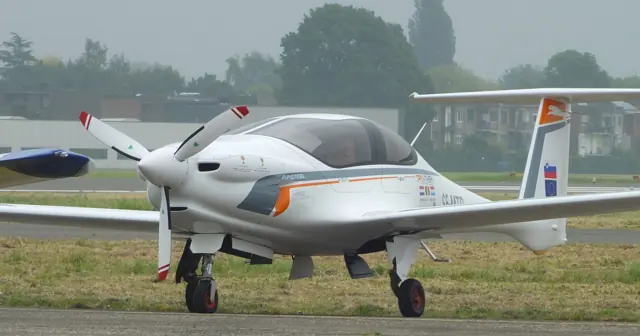
Pipistrel's streamlined four-seat composite-aircraft design.
This is AirframeDB’s first release. More features and aircraft research are planned. Leave your email if you’d like occasional updates.