X-Plane
McDonnell Douglas KC-10 Extender ↗
A DC-10-derived tanker that combined aerial refuelling with passenger and cargo transport.
1 implementations+ Compare
Explore the aircraft. Find your simulator. Follow the sources.
A DC-10-derived tanker that combined aerial refuelling with passenger and cargo transport.
Tecnam's four-seat high-wing single, built with metal and carbon-fibre components.
A midsize business jet developed by Bombardier’s Learjet division.
Cirrus's first type-certified aircraft, a composite piston single.
The H130 utility helicopter, descended from the AS350 and fitted with a Fenestron.
A high-wing utility aircraft known for short-field work and a broad choice of working configurations.
A small three-engine demonstrator created to explore technologies for a future supersonic airliner.
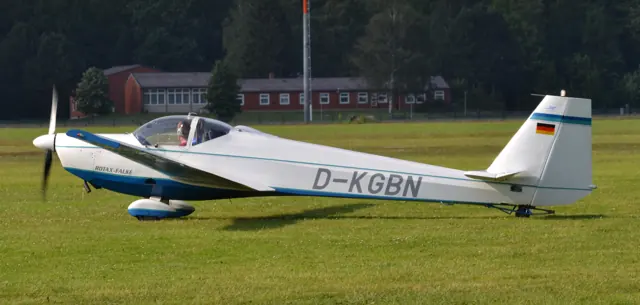
A side-by-side two-seat sailplane with a retractable powerplant for self-launching.
A 1920s transport family that developed from a single-engine airliner into a trimotor.
A side-by-side touring motorglider used for both powered flying and soaring.
A light turbine helicopter whose land-based Scout and naval Wasp branches served different jobs.
Avro's delta-wing bomber, developed for Britain's postwar strategic force.
BRM Aero's two-seat B23, represented in MSFS by Airfoillabs.
A French two-seat aerobatic trainer with side-by-side seating and a distinctive curved wing outline.
A two-seat light amphibian with a compact boat hull and a pusher propeller.
The Model 525 CitationJet, the starting point of Cessna's CJ and M2 lineage.
A compact twin-engine helicopter widely used for medical, police and training work.
A tandem-seat light aircraft with a streamlined low-wing layout.
A streamlined twin-engine helicopter with a Fenestron tail rotor and retractable landing gear.
Ted Smith's piston twin, later produced by Piper as the Aerostar.
A hybrid-electric regional-airliner concept represented in the simulator while the real programme develops.
A post-war Czech light twin with a rounded cabin and engines carried on a low wing.
A box-shaped utility twin whose cabin and rear access are central to its design.
The Mitchell medium bomber, named for aviation advocate Billy Mitchell.
New aircraft, useful sources and improvements to AirframeDB. Occasional updates, when there’s something to share.