X-Plane
SIAI-Marchetti SF.260 ↗
An Italian light aircraft known for military training and aerobatic use.
1 implementations+ Compare
Explore the aircraft. Find your simulator. Follow the sources.
An Italian light aircraft known for military training and aerobatic use.
A First World War trainer that became a familiar sight in the barnstorming era.
A two-seat training single with a high wing and fixed tricycle landing gear.
A twin-radial military transport with a rear ramp and short-field design priorities.
A box-shaped utility twin whose cabin and rear access are central to its design.
An early CRJ regional jet with rear-mounted engines and a small airliner flight deck.
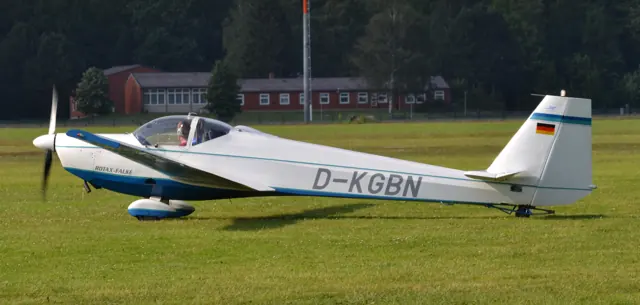
A side-by-side touring motorglider used for both powered flying and soaring.
A super-midsize business jet with a swept wing, rear-mounted engines and an integrated glass cockpit.
A tandem two-seat sailplane designed for instruction and broader soaring use.
RotorWay's two-seat kit-helicopter family, with piston and turbine simulator interpretations.
A four-engine airliner whose history also includes long-range maritime military service.
A Polish utility aircraft designed for short takeoffs and landings.
A four-engine airliner that brought pressurised-cabin travel into scheduled service.
A modern composite twin with a roomy cabin and two wing-mounted piston engines.
A six-seat composite single turboprop with a pressurised cabin and retractable gear.
A twin-engine utility helicopter with roots in the BK 117 and EC145 families.
A huge wooden flying-boat prototype that made one brief flight in 1947.
A two-seat powered hang-glider trike with an open cockpit.
A single-seat helicopter originally developed as a homebuilt kit.
A push-pull twin with one engine at each end of the central fuselage.
A small observation-helicopter family with a rounded cabin and compact rotor system.
A purpose-built agricultural aircraft that also became a single-engine air tanker.
Dassault's long-range Falcon 8X, developed from the three-engine 7X.
A rear-engined trijet built to bring jet service to shorter routes and smaller airports.
New aircraft, useful sources and improvements to AirframeDB. Occasional updates, when there’s something to share.