MSFS
Edgley EA-7 Optica ↗
A fixed-wing observation aircraft with a helicopter-like view from its glazed nose.
1 implementations+ Compare
Explore the aircraft. Find your simulator. Follow the sources.
A fixed-wing observation aircraft with a helicopter-like view from its glazed nose.
An Italian light aircraft known for military training and aerobatic use.
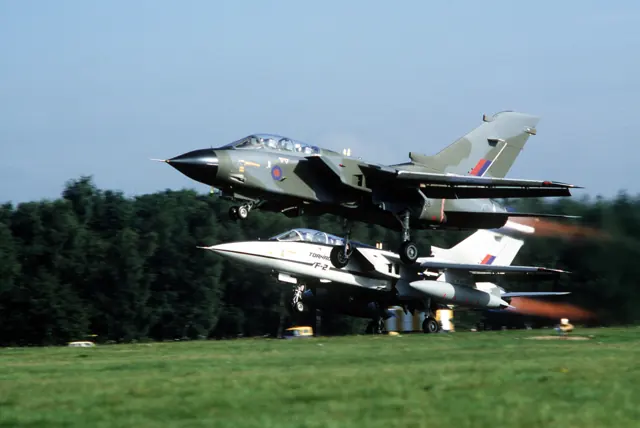
A European variable-sweep combat-aircraft family with distinct strike and interceptor versions.
A four-engine Airbus wide-body developed in parallel with the A330.
A four-seat composite touring and training aircraft developed from Diamond's smaller two-seater.
An open, single-seat ultralight with its propeller behind the pilot.
An open-cockpit biplane trainer that found a second life in civilian flying.
A pioneering all-metal transport with an enclosed passenger cabin and corrugated skin.
A two-seat Tecnam high-wing aircraft combining composite and metal construction.
A four-engine airliner whose history also includes long-range maritime military service.
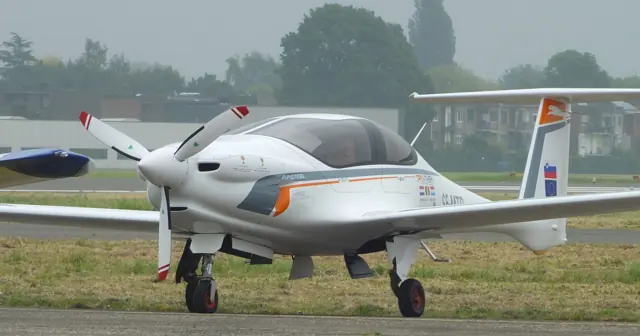
Pipistrel's streamlined four-seat composite-aircraft design.
A twin-aisle Boeing designed alongside the 757's generation of two-pilot flight decks.
A Swedish reconnaissance and dive-bombing aircraft from the early 1940s.
The CJ4 belongs to Cessna's light-jet line, with two rear-mounted engines and a T-tail.
A tandem two-seat sailplane family used for training and cross-country soaring.
The Model 525 CitationJet, the starting point of Cessna's CJ and M2 lineage.
A four-seat, pressurised kit aircraft with a composite airframe and retractable landing gear.
A cabin biplane with the lower wing placed ahead of the upper one.
A four-engine jetliner that helped establish the shape of long-distance jet travel.
A four-engine military turboprop designed to combine tactical access with long-distance transport.
A wartime fighter developed from the earlier Curtiss P-36.
A regional jet family with four small engines, a high wing and a large split tail airbrake.
A push-pull twin with one engine at each end of the central fuselage.
A rear-engined trijet built to bring jet service to shorter routes and smaller airports.
This is AirframeDB’s first release. More features and aircraft research are planned. Leave your email if you’d like occasional updates.