MSFS X-Plane
ICON A5 ↗
A two-seat light amphibian with a compact boat hull and a pusher propeller.
3 implementations+ Compare
Explore the aircraft. Find your simulator. Follow the sources.
A two-seat light amphibian with a compact boat hull and a pusher propeller.
An enlarged Velocity kit aircraft with a canard and rear-mounted pusher propeller.
An advanced trainer known around the world as the Texan, Harvard and SNJ.
An enclosed, two-seat autogyro with side-by-side seating and a pusher propeller.
Mooney's four-seat piston family, developed through many touring-aircraft variants.
A modern open-cockpit light aircraft that revives the corrugated-metal style of the 1929 A50.
A two-seat training single with a high wing and fixed tricycle landing gear.
A shorter wide-body Airbus from the transition to two-pilot, electronic-instrument cockpits.
A family of single-aisle airliners built around sidesticks, electronic flight controls and a shared cockpit.
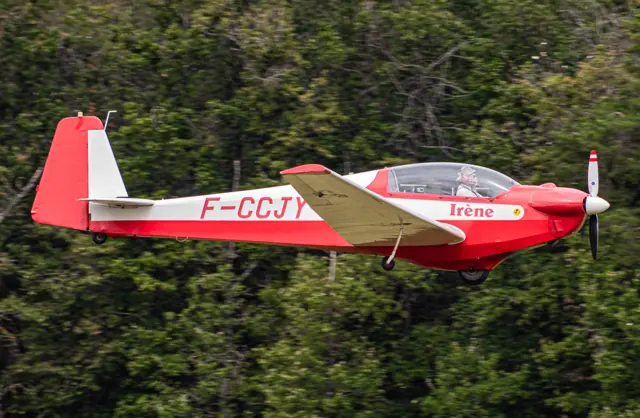
A tandem-seat development of Scheibe’s touring motorglider family.
A high-wing utility turboprop designed for short-field passenger and cargo work.
A low-wing piston twin that carries the Beechcraft touring-aircraft lineage into two-engine flying.
A four-engine tactical transport built around a rear loading ramp and access to austere airfields.
A DC-10-derived tanker that combined aerial refuelling with passenger and cargo transport.
Epic's experimental light-jet project, represented in simulation by Aerobask.
The four-engine wide-body whose raised flight deck created one of aviation's most recognisable profiles.
A light turbine helicopter whose land-based Scout and naval Wasp branches served different jobs.
A four-seat piston helicopter with a two-blade main rotor and conventional tail rotor.
A four-seat kit-built touring aircraft that expanded the RV family beyond two-seat designs.
A short-haul jet family that evolved through several generations of engines, wings and flight decks.
A small twin-engine amphibian that moved from business transport into military and utility service.
A pressurised twin turboprop with a canard, composite airframe and rear-facing propellers.
The second-generation Harrier, designed around vectored thrust and short-field operation.
An open, single-seat ultralight with its propeller behind the pilot.
New aircraft, useful sources and improvements to AirframeDB. Occasional updates, when there’s something to share.