MSFS X-Plane
Pilatus PC-6 B2 ↗
A high-wing utility aircraft known for short-field work and a broad choice of working configurations.
4 implementations+ Compare
Explore the aircraft. Find your simulator. Follow the sources.
A high-wing utility aircraft known for short-field work and a broad choice of working configurations.
A single-seat aerobatic monoplane that also became a familiar air-racing aircraft.
A French two-seat aerobatic trainer with side-by-side seating and a distinctive curved wing outline.
A tandem-seat homebuilt jet with composite construction and retractable landing gear.
A post-war Czech light twin with a rounded cabin and engines carried on a low wing.
An electric-powered educational glider concept inspired by the human-powered MIT Daedalus 88.
A tandem-seat development of Scheibe’s touring motorglider family.
A twin-engine business jet designed to retain some of the utility flexibility associated with the PC-12.
An enclosed-cabin development of the Bell 47, shaped for passenger and executive transport.
A four-engine jetliner that helped establish the shape of long-distance jet travel.
A late-1930s cabin aircraft with metal construction and retractable landing gear.
A pressurised four-engine piston transport from the last major generation before the jet airliner.
The Mitchell medium bomber, named for aviation advocate Billy Mitchell.
The purpose-built Ryan monoplane used by Charles Lindbergh for his 1927 solo Atlantic crossing.
The Huey: a turbine-powered utility helicopter with a broad cabin and an unmistakable two-bladed rotor.
A long-range twin whose programme emphasised composite construction and more electrically powered systems.
A compact racing aeroplane built around a large radial engine and very short fuselage.
A tandem-seat utility aircraft whose light structure and high wing suit bush, towing and recreational work.
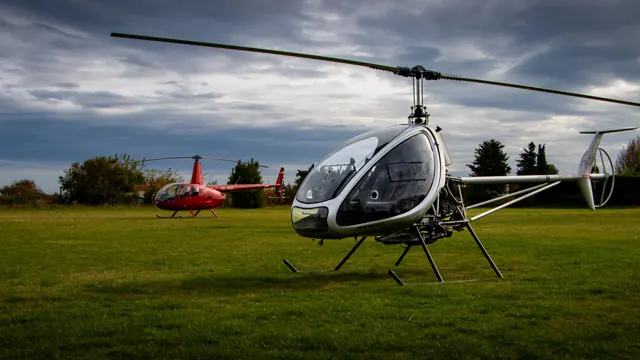
A Belgian light helicopter with two seats arranged side by side.
A light tandem-seat taildragger built around the familiar braced high-wing layout.
A purpose-built aerobatic monoplane family developed by pilot and designer Walter Extra.
The Wilga is the real-aircraft starting point for Mike Patey's DRACO and the simulator's DRACO X.
A very large single-engine biplane designed for practical work from modest airfields.
A tandem two-seat sailplane designed for instruction and broader soaring use.
This is AirframeDB’s first release. More features and aircraft research are planned. Leave your email if you’d like occasional updates.