MSFS
Aérospatiale Gazelle ↗
A compact utility helicopter distinguished by its enclosed Fenestron tail rotor.
1 implementations+ Compare
Explore the aircraft. Find your simulator. Follow the sources.
A compact utility helicopter distinguished by its enclosed Fenestron tail rotor.
The Stationair utility family, combining a high wing with fixed landing gear.
A fixed-gear twin turboprop with a long history in regional and remote-area transport.
A low-wing piston family that spans simple trainers, touring aircraft and retractable-gear Arrows.
A two-seat composite trainer with a low wing and a large canopy.
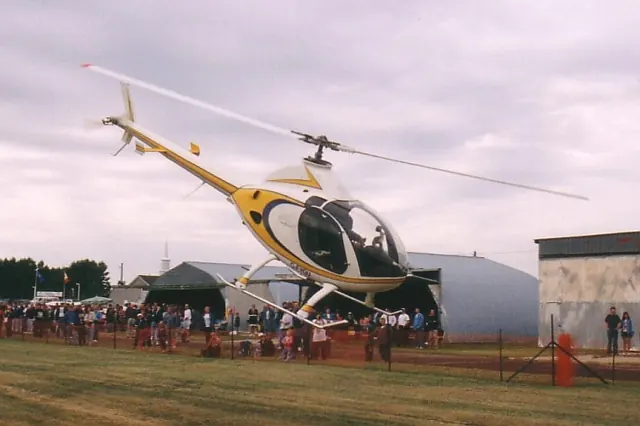
RotorWay's two-seat kit-helicopter family, with piston and turbine simulator interpretations.
A huge wooden flying-boat prototype that made one brief flight in 1947.
A long-range twin whose programme emphasised composite construction and more electrically powered systems.
A large twin-engine helicopter from the Super Puma line, used for offshore and public-service work.
A single-seat competition sailplane offered in Standard and 18-metre configurations.
A Canadian tandem-seat trainer developed after the Second World War.
A purpose-built aerobatic monoplane family developed by pilot and designer Walter Extra.
A two-seat training single with a high wing and fixed tricycle landing gear.
A two-seat light amphibian with a compact boat hull and a pusher propeller.
A box-shaped utility twin whose cabin and rear access are central to its design.
A carrier-capable multirole fighter, larger than the earlier Hornet from which it developed.
A very light twin jet developed from the Eclipse 500.
A compact twin-engine helicopter widely used for medical, police and training work.
The H130 utility helicopter, descended from the AS350 and fitted with a Fenestron.
A small observation-helicopter family with a rounded cabin and compact rotor system.
A stretched development of the DC-9 with rear-mounted engines and a five-abreast cabin.
A four-seat touring family whose Commander 114 added a larger engine and further refinements.
A post-war Czech light twin with a rounded cabin and engines carried on a low wing.
This is AirframeDB’s first release. More features and aircraft research are planned. Leave your email if you’d like occasional updates.