MSFS
Velocity XL ↗
An enlarged Velocity kit aircraft with a canard and rear-mounted pusher propeller.
1 implementations+ Compare
Explore the aircraft. Find your simulator. Follow the sources.
An enlarged Velocity kit aircraft with a canard and rear-mounted pusher propeller.
A very light twin jet developed from the Eclipse 500.
A regional jet family with four small engines, a high wing and a large split tail airbrake.
A compact Italian light twin with a shoulder wing and metal airframe.
A large twin-radial transport that carried heavy loads through wartime and post-war freight service.
An Italian light aircraft known for military training and aerobatic use.
Mooney's four-seat piston family, developed through many touring-aircraft variants.
A high-wing utility turboprop designed for short-field passenger and cargo work.
A light tandem-seat taildragger built around the familiar braced high-wing layout.
A small two-seat piston helicopter with a two-bladed main rotor.
A Canadian tandem-seat trainer developed after the Second World War.
A military transport developed from the DC-3, used for cargo, troops, parachuting and glider towing.
A wide-cabin business-jet family that developed from Canadair's original Challenger programme.
A midsize business jet developed by Bombardier’s Learjet division.
Lockheed's tandem-seat Shooting Star jet trainer.
A full-length double-deck airliner built for very high passenger capacity.
A DC-10-derived tanker that combined aerial refuelling with passenger and cargo transport.
A pioneering all-metal transport with an enclosed passenger cabin and corrugated skin.
A compact utility helicopter distinguished by its enclosed Fenestron tail rotor.
A twin-radial military transport with a rear ramp and short-field design priorities.
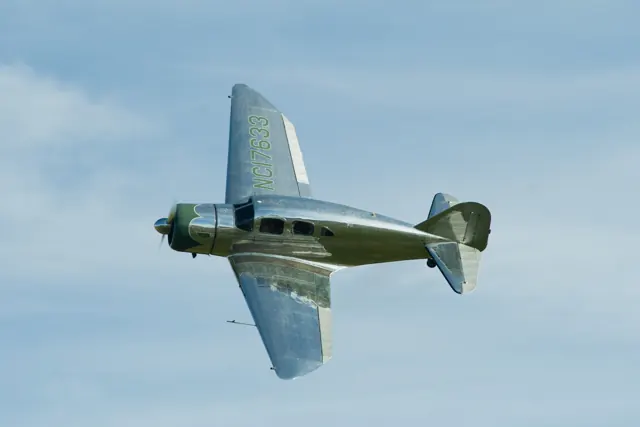
A late-1930s cabin aircraft with metal construction and retractable landing gear.
SOCATA's touring-aircraft family, including the Tobago and Trinidad.
A twin-turboprop regional airliner developed through Swedish and American industrial cooperation.
Tecnam's two-seat, low-wing Sierra, introduced in the early 2000s.
This is AirframeDB’s first release. More features and aircraft research are planned. Leave your email if you’d like occasional updates.