MSFS
Boeing 707-320C ↗
A four-engine jetliner that helped establish the shape of long-distance jet travel.
1 implementations+ Compare
Explore the aircraft. Find your simulator. Follow the sources.
A four-engine jetliner that helped establish the shape of long-distance jet travel.
A large twin-engine helicopter from the Super Puma line, used for offshore and public-service work.
A two-seat composite trainer with a low wing and a large canopy.
A cabin-class piston twin designed for commuter, cargo and utility work.
Dassault's long-range Falcon 8X, developed from the three-engine 7X.
A push-pull twin with one engine at each end of the central fuselage.
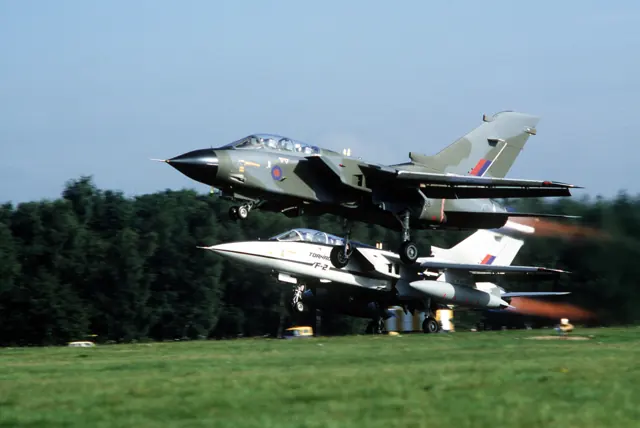
A European variable-sweep combat-aircraft family with distinct strike and interceptor versions.
The Wilga is the real-aircraft starting point for Mike Patey's DRACO and the simulator's DRACO X.
Piper's two-seat trainer with fixed tricycle landing gear.
Tecnam's four-seat high-wing single, built with metal and carbon-fibre components.
A two-seat naval fighter with variable-sweep wings and a cockpit built around pilot and radar-intercept officer roles.
A compact Japanese twin turboprop with a high wing and pressurised cabin.
A compact twin-engine transport helicopter with retractable gear and a long development history.
A small twin-engine amphibian that moved from business transport into military and utility service.
A streamlined light twin helicopter, with the later Bell 230 in the same family.
A wooden touring-aircraft family recognisable by the upward-angled outer wing panels.
A low-wing piston family that spans simple trainers, touring aircraft and retractable-gear Arrows.
A radial-engine trainer that also served in combat and civilian warbird roles.
A purpose-built aerobatic monoplane family developed by pilot and designer Walter Extra.
A tandem-seat jet trainer that also found a second life in civilian display and racing.
A heavy-lift helicopter built around an open frame and an external working load.
Diamond's four-seat light twin, developed with diesel-powered versions.
A British jet trainer with tandem seating and a long military training career.
The second-generation Harrier, designed around vectored thrust and short-field operation.
This is AirframeDB’s first release. More features and aircraft research are planned. Leave your email if you’d like occasional updates.