X-Plane
Eclipse 550 ↗
A very light twin jet developed from the Eclipse 500.
1 implementations+ Compare
Explore the aircraft. Find your simulator. Follow the sources.
A very light twin jet developed from the Eclipse 500.
An open, single-seat ultralight with its propeller behind the pilot.
A small twin-engine amphibian that moved from business transport into military and utility service.
Piper's PA-31 utility twin, used in commuter, cargo and corporate transport.
A purpose-built aerobatic monoplane family developed by pilot and designer Walter Extra.
TorqueSim's Pocket Rocket, a simulated PT6-powered light aircraft with two gear layouts.
The second-generation Harrier, designed around vectored thrust and short-field operation.
A huge wooden flying-boat prototype that made one brief flight in 1947.
A small observation-helicopter family with a rounded cabin and compact rotor system.
A post-war Czech light twin with a rounded cabin and engines carried on a low wing.
A wooden touring-aircraft family recognisable by the upward-angled outer wing panels.
A lightweight pusher family with an enclosed cabin and a high, braced wing.
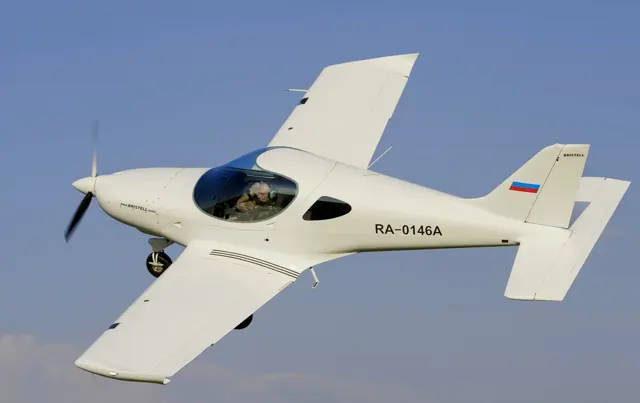
BRM Aero's two-seat B23, represented in MSFS by Airfoillabs.
A carrier-capable multirole fighter, larger than the earlier Hornet from which it developed.
A compact rear-engined jet designed for short-haul regional airline work.
A heavy-lift helicopter built around an open frame and an external working load.
A twin-turbine Huey descendant with a four-blade main rotor.
A streamlined light twin helicopter, with the later Bell 230 in the same family.
A short-field Savage with leading-edge slats and a distinct Got Friends simulator implementation.
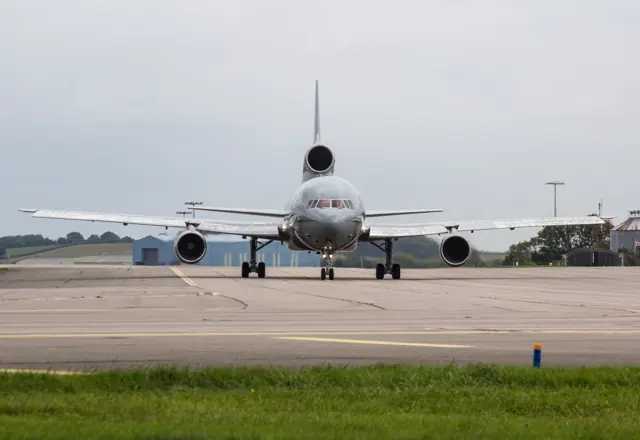
Lockheed's wide-body TriStar, with three RB211 engines and a distinctive tail intake.
An enclosed-cabin development of the Bell 47, shaped for passenger and executive transport.
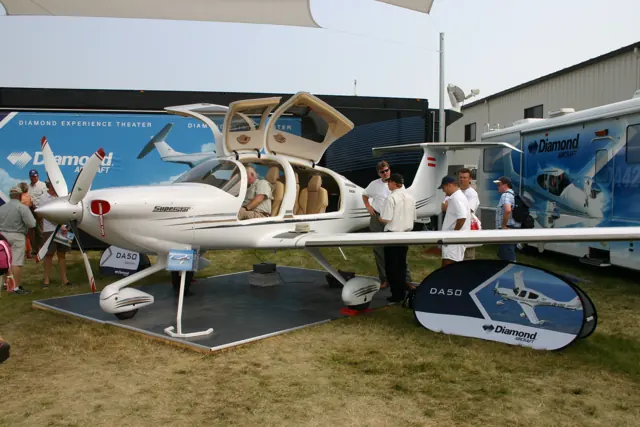
A five-seat composite single whose development led to the diesel DA50 RG.
Tecnam's two-seat, low-wing Sierra, introduced in the early 2000s.
A utility piston twin designed for commuter and specialist transport missions.
This is AirframeDB’s first release. More features and aircraft research are planned. Leave your email if you’d like occasional updates.