MSFS
Lockheed T-33 Shooting Star ↗
Lockheed's tandem-seat Shooting Star jet trainer.
1 implementations+ Compare
Explore the aircraft. Find your simulator. Follow the sources.
Lockheed's tandem-seat Shooting Star jet trainer.
A purpose-built aerobatic monoplane family developed by pilot and designer Walter Extra.
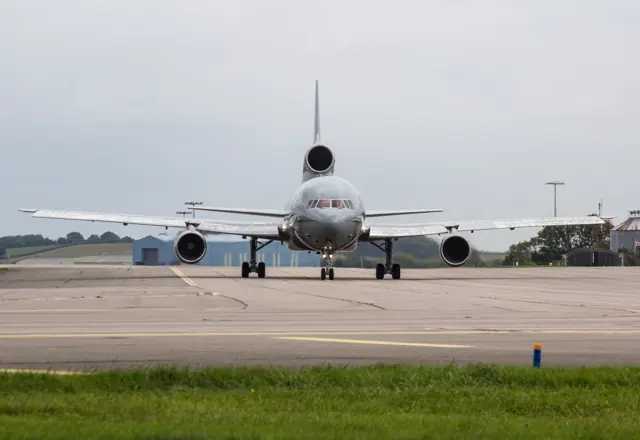
Lockheed's wide-body TriStar, with three RB211 engines and a distinctive tail intake.
A short-haul jet family that evolved through several generations of engines, wings and flight decks.
A compact utility helicopter distinguished by its enclosed Fenestron tail rotor.
A two-seat Tecnam high-wing aircraft combining composite and metal construction.
The purpose-built Ryan monoplane used by Charles Lindbergh for his 1927 solo Atlantic crossing.
A compact Italian light twin with a shoulder wing and metal airframe.
A four-engine military turboprop designed to combine tactical access with long-distance transport.
A box-shaped utility twin whose cabin and rear access are central to its design.
A British utility twin built around short regional and practical transport work.
An open, single-seat ultralight with its propeller behind the pilot.
A family of single-aisle airliners built around sidesticks, electronic flight controls and a shared cockpit.
A two-seat naval fighter with variable-sweep wings and a cockpit built around pilot and radar-intercept officer roles.
The H130 utility helicopter, descended from the AS350 and fitted with a Fenestron.
A six-engine heavy transport created for exceptionally large external and internal loads.
A four-seat kit-built touring aircraft that expanded the RV family beyond two-seat designs.
A very light twin jet developed from the Eclipse 500.
A wooden touring-aircraft family recognisable by the upward-angled outer wing panels.
A streamlined twin-engine helicopter with a Fenestron tail rotor and retractable landing gear.
The four-engine wide-body whose raised flight deck created one of aviation's most recognisable profiles.
A pressurised single turboprop with a large cargo door and a broad range of working roles.
The Wilga is the real-aircraft starting point for Mike Patey's DRACO and the simulator's DRACO X.
A high-wing twin turboprop developed for regional freight and passenger transport.
This is AirframeDB’s first release. More features and aircraft research are planned. Leave your email if you’d like occasional updates.