MSFS
Boeing 707-320C ↗
A four-engine jetliner that helped establish the shape of long-distance jet travel.
1 implementations+ Compare
Explore the aircraft. Find your simulator. Follow the sources.
A four-engine jetliner that helped establish the shape of long-distance jet travel.
A self-launching sailplane family with its engine inside the fuselage and a folding nose propeller.
Airbus's first production aircraft, built around a twin-engine wide-body layout.
The four-engine wide-body whose raised flight deck created one of aviation's most recognisable profiles.
A twin-radial military transport with a rear ramp and short-field design priorities.
A wide-cabin business-jet family that developed from Canadair's original Challenger programme.
A tailwheel utility single built around a high wing and a substantial working cabin.
A four-seat kit-built touring aircraft that expanded the RV family beyond two-seat designs.
A long-range twin whose programme emphasised composite construction and more electrically powered systems.
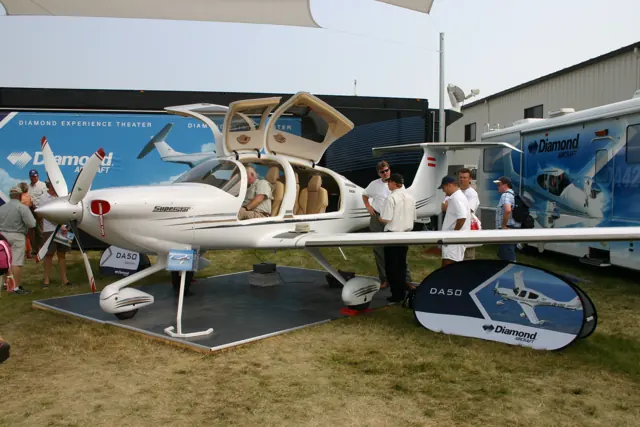
A two-seat composite light-aircraft family with a high wing and a compact enclosed cabin.
SOCATA's touring-aircraft family, including the Tobago and Trinidad.
A long-range trijet developed from the DC-10 with a stretched fuselage and revised wing and cockpit.
A compact Czech touring aircraft with side-by-side seats and a streamlined low-wing airframe.
A five-seat composite single whose development led to the diesel DA50 RG.
A post-war Businessliner with a radial engine, cabin transport ambitions and tailwheel gear.
A twin-engine business jet designed to retain some of the utility flexibility associated with the PC-12.
A box-shaped utility twin whose cabin and rear access are central to its design.
The second-generation Harrier, designed around vectored thrust and short-field operation.
A compact aerobatic biplane family with both single-seat and tandem-seat branches.
A swept-wing business jet designed around high subsonic cruise speed.
A British utility twin built around short regional and practical transport work.
A lightweight pusher family with an enclosed cabin and a high, braced wing.
A pressurised touring twin whose piston and turbine-conversion versions make a particularly interesting comparison.
The purpose-built Ryan monoplane used by Charles Lindbergh for his 1927 solo Atlantic crossing.
This is AirframeDB’s first release. More features and aircraft research are planned. Leave your email if you’d like occasional updates.