MSFS X-Plane
Cessna 152 / Aerobat ↗
A two-seat training single with a high wing and fixed tricycle landing gear.
5 implementations+ Compare
Explore the aircraft. Find your simulator. Follow the sources.
A two-seat training single with a high wing and fixed tricycle landing gear.
A modern composite twin with a roomy cabin and two wing-mounted piston engines.
The Huey: a turbine-powered utility helicopter with a broad cabin and an unmistakable two-bladed rotor.
An enclosed-cabin development of the Bell 47, shaped for passenger and executive transport.
A twin-engine utility helicopter with roots in the BK 117 and EC145 families.
A specialised reconnaissance aircraft designed for very high altitude and sustained supersonic flight.
A hybrid-electric regional-airliner concept represented in the simulator while the real programme develops.
A wartime fighter developed from the earlier Curtiss P-36.
A compact two-seat light aircraft with a high wing and a wide range of development variants.
A four-seat, pressurised kit aircraft with a composite airframe and retractable landing gear.
A four-engine jetliner that helped establish the shape of long-distance jet travel.
A long-range fighter whose different engine and canopy developments produced several distinct forms.
The purpose-built Ryan monoplane used by Charles Lindbergh for his 1927 solo Atlantic crossing.
A long-range strategic bomber with a swept wing and eight jet engines in paired pods.
A single-engine utility helicopter known as the Écureuil, Squirrel and AStar.
Beechcraft's Model 76, designed to introduce pilots to twin-engine flying.
A streamlined twin-engine helicopter with a Fenestron tail rotor and retractable landing gear.
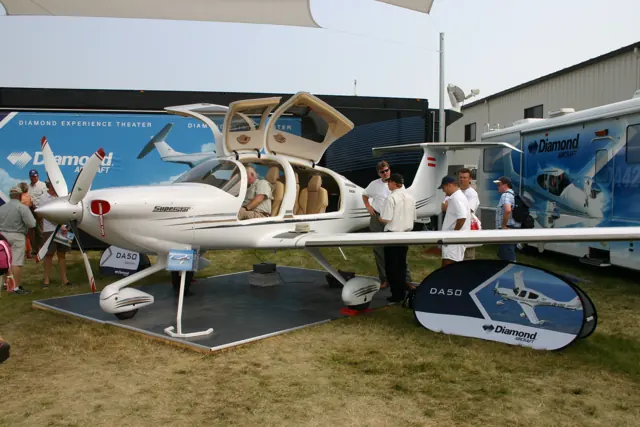
A five-seat composite single whose development led to the diesel DA50 RG.
A British utility twin built around short regional and practical transport work.
A streamlined light twin helicopter, with the later Bell 230 in the same family.
A wooden touring-aircraft family recognisable by the upward-angled outer wing panels.
A purpose-built aerobatic monoplane family developed by pilot and designer Walter Extra.
An Italian light aircraft known for military training and aerobatic use.
A two-seat composite trainer with a low wing and a large canopy.
This is AirframeDB’s first release. More features and aircraft research are planned. Leave your email if you’d like occasional updates.