X-Plane
Embraer Phenom 300 ↗
A light business jet with a swept wing, rear-mounted engines and an integrated flight deck.
1 implementations+ Compare
Explore the aircraft. Find your simulator. Follow the sources.
A light business jet with a swept wing, rear-mounted engines and an integrated flight deck.
A push-pull twin with one engine at each end of the central fuselage.
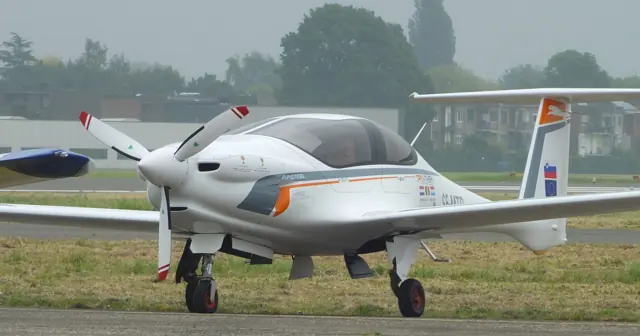
Pipistrel's streamlined four-seat composite-aircraft design.
The Mitchell medium bomber, named for aviation advocate Billy Mitchell.
A pressurised single-engine turboprop family that combines a compact cabin with retractable gear.
A composite touring single with a whole-aircraft parachute and several generations of avionics.
SOCATA's touring-aircraft family, including the Tobago and Trinidad.
A two-seat naval fighter with variable-sweep wings and a cockpit built around pilot and radar-intercept officer roles.
A low-wing piston twin that carries the Beechcraft touring-aircraft lineage into two-engine flying.
A regional jet family with four small engines, a high wing and a large split tail airbrake.
A tandem-seat utility aircraft whose light structure and high wing suit bush, towing and recreational work.
A three-engine airliner that became a mainstay of Soviet and Russian passenger transport.
A single-engine turboprop workhorse for passenger services, freight and remote-area transport.
The Stationair utility family, combining a high wing with fixed landing gear.
A long-range fighter whose different engine and canopy developments produced several distinct forms.
A rear-engined trijet built to bring jet service to shorter routes and smaller airports.
TorqueSim's Pocket Rocket, a simulated PT6-powered light aircraft with two gear layouts.
A specialised reconnaissance aircraft designed for very high altitude and sustained supersonic flight.
A DC-10-derived tanker that combined aerial refuelling with passenger and cargo transport.
A small two-seat piston helicopter with a two-bladed main rotor.
A two-seat, twin-engine fighter that served naval and land-based air forces in many roles.
The four-engine Flying Fortress, a major American bomber of the Second World War.
The second-generation Harrier, designed around vectored thrust and short-field operation.
A two-seat composite trainer with a low wing and a large canopy.
This is AirframeDB’s first release. More features and aircraft research are planned. Leave your email if you’d like occasional updates.