MSFS
Mudry CAP 10 ↗
A French two-seat aerobatic trainer with side-by-side seating and a distinctive curved wing outline.
2 implementations+ Compare
Explore the aircraft. Find your simulator. Follow the sources.
A French two-seat aerobatic trainer with side-by-side seating and a distinctive curved wing outline.
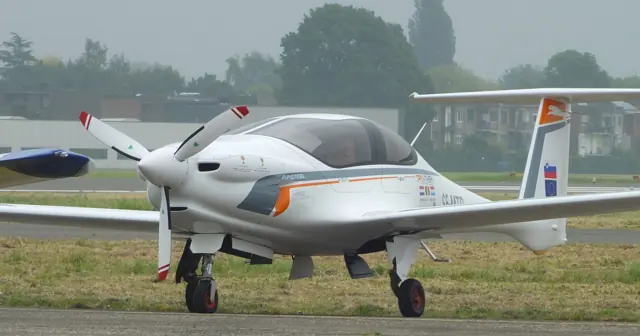
Pipistrel's streamlined four-seat composite-aircraft design.
A compact two-seat light aircraft with a high wing and a wide range of development variants.
A lightweight short-field aircraft with a specialised wing and tall, shock-absorbing landing gear.
A compact aerobatic biplane family with both single-seat and tandem-seat branches.
A stretched development of the DC-9 with rear-mounted engines and a five-abreast cabin.
A jet-powered military transport designed for both strategic loads and tactical airfield access.
A full-length double-deck airliner built for very high passenger capacity.
A four-engine military turboprop designed to combine tactical access with long-distance transport.
A radial-engined utility aircraft closely associated with bush flying and float operations.
The Wilga is the real-aircraft starting point for Mike Patey's DRACO and the simulator's DRACO X.
A four-engine jetliner that helped establish the shape of long-distance jet travel.
A pressurised touring twin whose piston and turbine-conversion versions make a particularly interesting comparison.
A short-field Savage with leading-edge slats and a distinct Got Friends simulator implementation.
A box-shaped utility twin whose cabin and rear access are central to its design.
A military liaison aircraft built around a high wing, tandem cabin and short-field utility work.
The Mitchell medium bomber, named for aviation advocate Billy Mitchell.
An enlarged Velocity kit aircraft with a canard and rear-mounted pusher propeller.
A two-seat light amphibian with a compact boat hull and a pusher propeller.
The CJ4 belongs to Cessna's light-jet line, with two rear-mounted engines and a T-tail.
A cabin-class piston twin designed for commuter, cargo and utility work.
The purpose-built Ryan monoplane used by Charles Lindbergh for his 1927 solo Atlantic crossing.
An unpowered military cargo glider designed to deliver troops and equipment behind a tow aircraft.
A DC-10-derived tanker that combined aerial refuelling with passenger and cargo transport.
This is AirframeDB’s first release. More features and aircraft research are planned. Leave your email if you’d like occasional updates.