MSFS
Guimbal Cabri G2 ↗
A modern two-seat piston helicopter designed around the training role.
2 implementations+ Compare
Explore the aircraft. Find your simulator. Follow the sources.
A modern two-seat piston helicopter designed around the training role.
The purpose-built Ryan monoplane used by Charles Lindbergh for his 1927 solo Atlantic crossing.
A low-wing agricultural Cessna with a cockpit and hopper arranged around the job.
A four-engine military turboprop designed to combine tactical access with long-distance transport.
A streamlined twin-engine helicopter with a Fenestron tail rotor and retractable landing gear.
A small twin-engine amphibian that moved from business transport into military and utility service.
A purpose-built aerobatic monoplane family developed by pilot and designer Walter Extra.
An enlarged Velocity kit aircraft with a canard and rear-mounted pusher propeller.
A tandem-seat light aircraft with a streamlined low-wing layout.
A cabin biplane with the lower wing placed ahead of the upper one.
A long-range strategic bomber with a swept wing and eight jet engines in paired pods.
A fixed-gear twin turboprop with a long history in regional and remote-area transport.
A lightweight pusher family with an enclosed cabin and a high, braced wing.
A narrow-body twin developed as a new generation of medium-range airliner.
A twin-aisle Boeing designed alongside the 757's generation of two-pilot flight decks.
A radial-engine trainer that also served in combat and civilian warbird roles.
A large long-haul twin that introduced Boeing's first commercial fly-by-wire airliner flight controls.
Epic's experimental light-jet project, represented in simulation by Aerobask.
A five-seat turbine helicopter developed from Robinson's smaller piston-helicopter line.
A four-engine airliner that brought pressurised-cabin travel into scheduled service.
A compact aerobatic biplane family with both single-seat and tandem-seat branches.
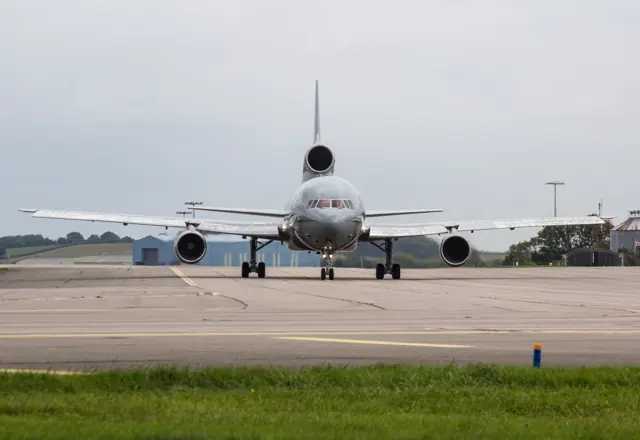
Lockheed's wide-body TriStar, with three RB211 engines and a distinctive tail intake.
A 1920s flying boat with two engines arranged in tandem above the wing.
This is AirframeDB’s first release. More features and aircraft research are planned. Leave your email if you’d like occasional updates.