MSFS
Junkers JU 52 ↗
A corrugated-metal transport best known in its three-engine form.
2 implementations+ Compare
Explore the aircraft. Find your simulator. Follow the sources.
A corrugated-metal transport best known in its three-engine form.
A composite amphibian that carries Dornier's centreline engine arrangement into the turboprop era.
A box-shaped utility twin whose cabin and rear access are central to its design.
A compact utility helicopter distinguished by its enclosed Fenestron tail rotor.
A cabin-class piston twin designed for commuter, cargo and utility work.
A single-seat helicopter originally developed as a homebuilt kit.
A four-seat high-wing single that spans generations of conventional instruments and glass cockpits.
A large twin-engine helicopter from the Super Puma line, used for offshore and public-service work.
A high-wing utility aircraft known for short-field work and a broad choice of working configurations.
A twin-turbine Huey descendant with a four-blade main rotor.
A small observation-helicopter family with a rounded cabin and compact rotor system.
A lightweight short-field aircraft with a specialised wing and tall, shock-absorbing landing gear.
A twin-turboprop family whose smaller conventional-tail and larger T-tail branches have distinct identities.
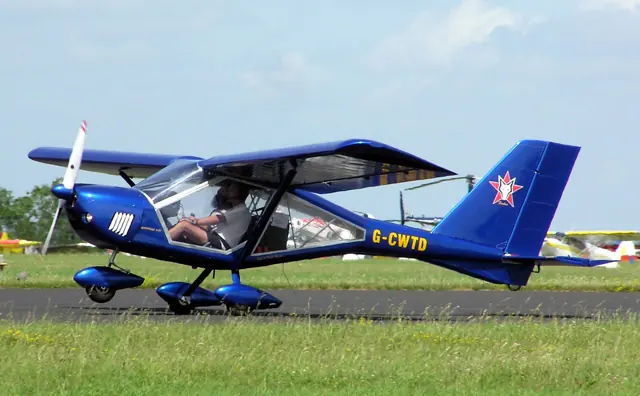
A high-wing light sport aircraft with a broad glazed cabin and tricycle landing gear.
The tip-tanked turbofan Learjets, combining the classic compact airframe with longer range and careers in business, military and medical flying.
A three-engine airliner that became a mainstay of Soviet and Russian passenger transport.
A two-seat training single with a high wing and fixed tricycle landing gear.
A two-seat, twin-engine fighter that served naval and land-based air forces in many roles.
A simulated twin-turbine helicopter that explores no-tail-rotor anti-torque control.
A tandem-seat autogyro prototype developed around transport and observation roles.
A six-engine heavy transport created for exceptionally large external and internal loads.
The purpose-built Ryan monoplane used by Charles Lindbergh for his 1927 solo Atlantic crossing.
An advanced trainer known around the world as the Texan, Harvard and SNJ.
The Wilga is the real-aircraft starting point for Mike Patey's DRACO and the simulator's DRACO X.
New aircraft, useful sources and improvements to AirframeDB. Occasional updates, when there’s something to share.