MSFS X-Plane
Pilatus PC-12 NGX ↗
A pressurised single turboprop with a large cargo door and a broad range of working roles.
3 implementations+ Compare
Explore the aircraft. Find your simulator. Follow the sources.
A pressurised single turboprop with a large cargo door and a broad range of working roles.
A twin-radial airliner that helped make practical passenger transport a regular business.
A compact racing aeroplane built around a large radial engine and very short fuselage.
Airbus's first production aircraft, built around a twin-engine wide-body layout.
A two-seat light amphibian with a compact boat hull and a pusher propeller.
A Brazilian light trainer with a high wing, tandem seats and a simple utility layout.
The Mitchell medium bomber, named for aviation advocate Billy Mitchell.
A self-launching sailplane family with its engine inside the fuselage and a folding nose propeller.
A two-seat composite light-aircraft family with a high wing and a compact enclosed cabin.
A tandem-seat light aircraft with a streamlined low-wing layout.
Ted Smith's piston twin, later produced by Piper as the Aerostar.
A specialised reconnaissance aircraft designed for very high altitude and sustained supersonic flight.
A very light twin jet developed from the Eclipse 500.
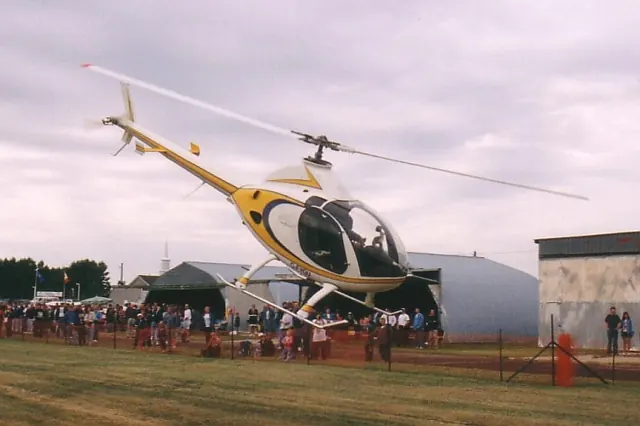
RotorWay's two-seat kit-helicopter family, with piston and turbine simulator interpretations.
A four-engine airliner whose history also includes long-range maritime military service.
A heavy transport helicopter whose two large rotors remove the need for a tail rotor.
A tailwheel utility single built around a high wing and a substantial working cabin.
A swept-wing business jet designed around high subsonic cruise speed.
A 1920s transport family that developed from a single-engine airliner into a trimotor.
A corrugated-metal transport best known in its three-engine form.
The Wilga is the real-aircraft starting point for Mike Patey's DRACO and the simulator's DRACO X.
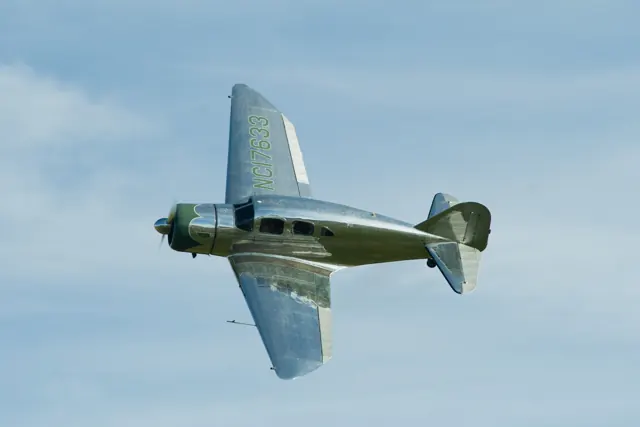
A late-1930s cabin aircraft with metal construction and retractable landing gear.
Tecnam's four-seat high-wing single, built with metal and carbon-fibre components.
This is AirframeDB’s first release. More features and aircraft research are planned. Leave your email if you’d like occasional updates.