MSFS
De Havilland Canada DHC-4 Caribou ↗
A twin-radial military transport with a rear ramp and short-field design priorities.
1 implementations+ Compare
Explore the aircraft. Find your simulator. Follow the sources.
A twin-radial military transport with a rear ramp and short-field design priorities.
A cabin-class piston twin designed for commuter, cargo and utility work.
A four-engine military turboprop designed to combine tactical access with long-distance transport.
A fixed-gear twin turboprop with a long history in regional and remote-area transport.
Lockheed's tandem-seat Shooting Star jet trainer.
A DC-10-derived tanker that combined aerial refuelling with passenger and cargo transport.
A fixed-wing observation aircraft with a helicopter-like view from its glazed nose.
A long-range strategic bomber with a swept wing and eight jet engines in paired pods.
A two-seat naval fighter with variable-sweep wings and a cockpit built around pilot and radar-intercept officer roles.
A streamlined twin-engine helicopter with a Fenestron tail rotor and retractable landing gear.
The Wilga is the real-aircraft starting point for Mike Patey's DRACO and the simulator's DRACO X.
A two-seat composite trainer with a low wing and a large canopy.
A pioneering all-metal transport with an enclosed passenger cabin and corrugated skin.
A British jet trainer with tandem seating and a long military training career.
A single-seat competition sailplane offered in Standard and 18-metre configurations.
Tecnam's four-seat high-wing single, built with metal and carbon-fibre components.
A pressurised touring twin whose piston and turbine-conversion versions make a particularly interesting comparison.
A narrow-body twin developed as a new generation of medium-range airliner.
Cirrus's first type-certified aircraft, a composite piston single.
A small three-engine demonstrator created to explore technologies for a future supersonic airliner.
A full-length double-deck airliner built for very high passenger capacity.
A compact Japanese twin turboprop with a high wing and pressurised cabin.
A push-pull twin with one engine at each end of the central fuselage.
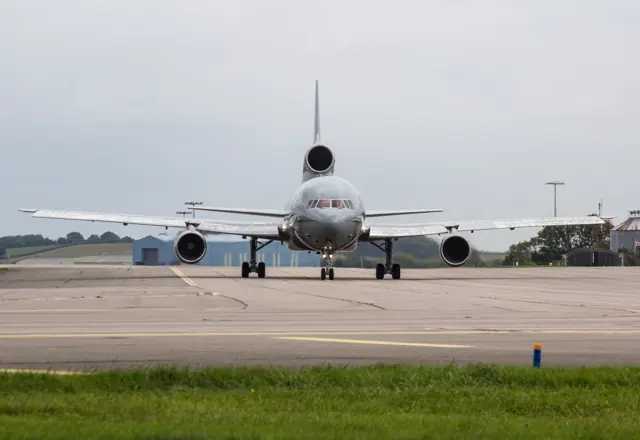
Lockheed's wide-body TriStar, with three RB211 engines and a distinctive tail intake.
This is AirframeDB’s first release. More features and aircraft research are planned. Leave your email if you’d like occasional updates.