MSFS
Edgley EA-7 Optica ↗
A fixed-wing observation aircraft with a helicopter-like view from its glazed nose.
1 implementations+ Compare
Explore the aircraft. Find your simulator. Follow the sources.
A fixed-wing observation aircraft with a helicopter-like view from its glazed nose.
A British utility twin built around short regional and practical transport work.
A tandem two-seat sailplane family used for training and cross-country soaring.
A six-engine flying boat created for long-distance passenger travel over water.
A two-seat composite kit aircraft developed from the Lancair 320.
A small observation-helicopter family with a rounded cabin and compact rotor system.
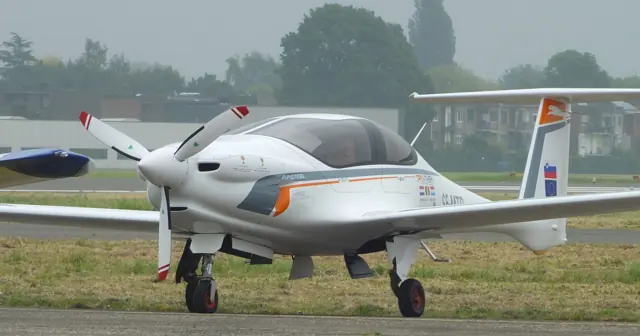
Pipistrel's streamlined four-seat composite-aircraft design.
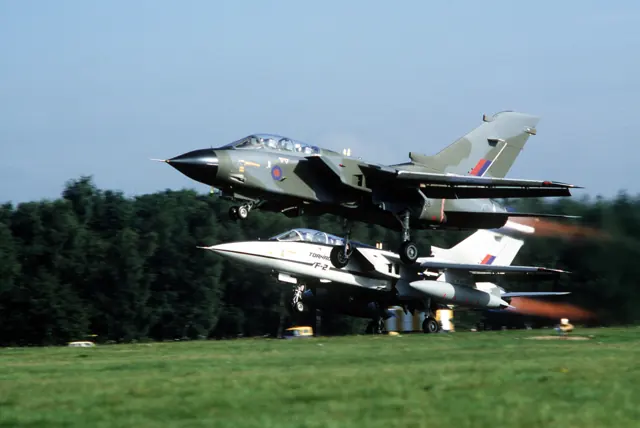
A European variable-sweep combat-aircraft family with distinct strike and interceptor versions.
A Canadian tandem-seat trainer developed after the Second World War.
Tecnam's two-seat, low-wing Sierra, introduced in the early 2000s.
A four-engine military turboprop designed to combine tactical access with long-distance transport.
The purpose-built Ryan monoplane used by Charles Lindbergh for his 1927 solo Atlantic crossing.
A four-seat, pressurised kit aircraft with a composite airframe and retractable landing gear.
A swept-wing business jet designed around high subsonic cruise speed.
The Huey: a turbine-powered utility helicopter with a broad cabin and an unmistakable two-bladed rotor.
A compact Japanese twin turboprop with a high wing and pressurised cabin.
A compact aerobatic biplane family with both single-seat and tandem-seat branches.
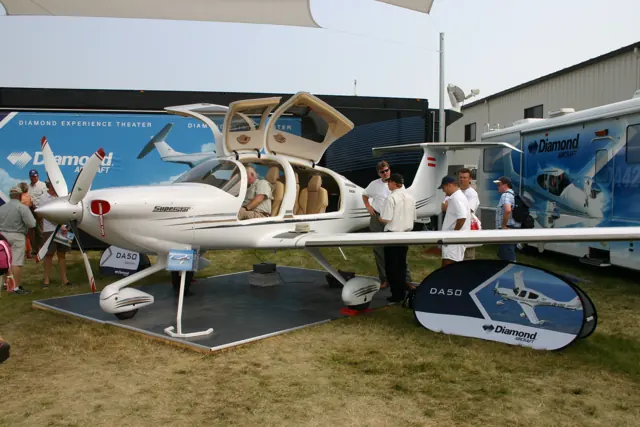
A five-seat composite single whose development led to the diesel DA50 RG.
A two-seat composite light-aircraft family with a high wing and a compact enclosed cabin.
A push-pull twin with one engine at each end of the central fuselage.
An advanced trainer known around the world as the Texan, Harvard and SNJ.
A light tandem-seat taildragger built around the familiar braced high-wing layout.
A purpose-built aerobatic monoplane family developed by pilot and designer Walter Extra.
A stretched development of the DC-9 with rear-mounted engines and a five-abreast cabin.
This is AirframeDB’s first release. More features and aircraft research are planned. Leave your email if you’d like occasional updates.